




The Islands ofLegends
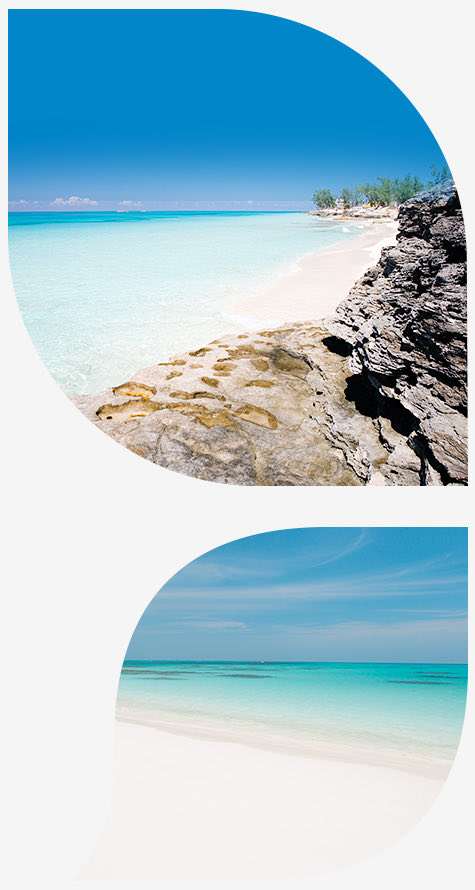
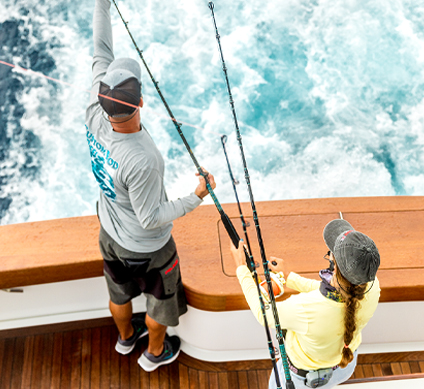
A place where Ernest Hemingway’s favourite seaside hideaway meets the Lost City of Atlantis, and pristine beaches lead to waters teeming with prized blue marlin. 50 miles from Florida’s eastern coast, Bimini exists in a world of its own.
Get Travel Ideas


Island Resorts & Retreats Where to Stay

Steps from the turquoise sea, visitors to Bimini find island charm and modern comfort in waterfront accommodations ranging from upscale resorts to boutique hotels and marinas.
View All




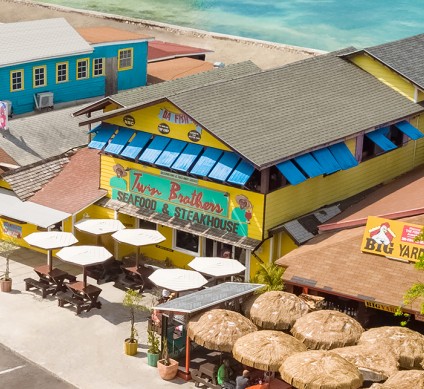
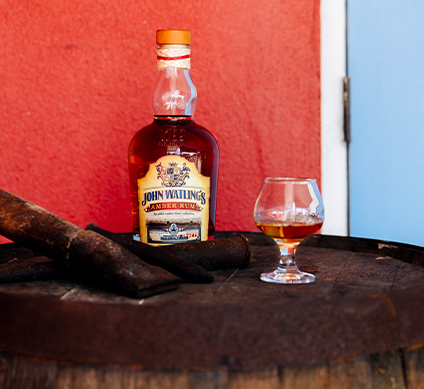
Fresh Island Flavours Drinks & Dining

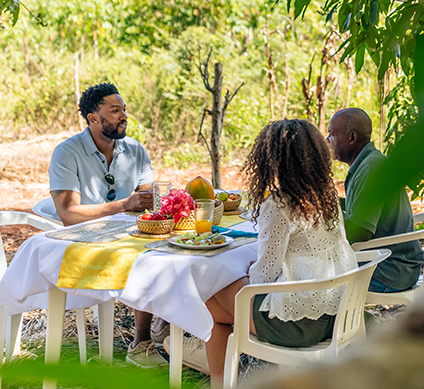
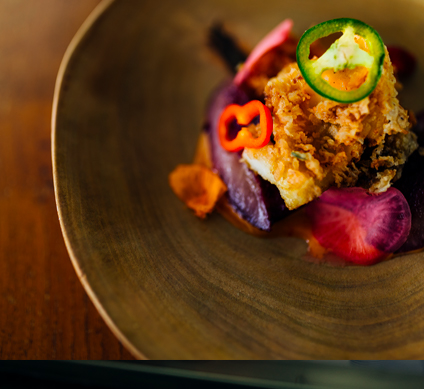
A fresh take on Bahamian cuisine. That is, fresh-as-can-be seafood and freshly baked Bimini Bread.
View AllBimini
Find Your Way


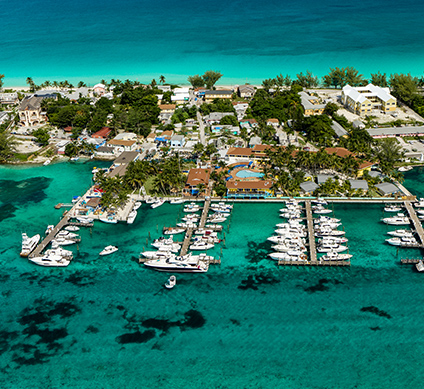
Alice Town
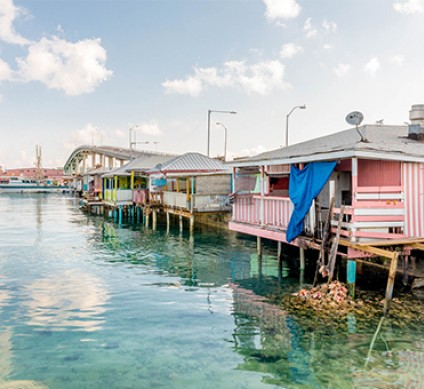
Located in North Bimini, Alice Town is the hub of tourism activity on the island, home to most hotels, restaurants and many points of interest.

South Bimini
The quieter of the two islands, most visitors fly into South Bimini Airport and continue onto North Bimini via ferry.

North Bimini
North Bimini
The location of Bimini’s largest settlement, Alice Town, as well as a majority of accommodations. There are multiple official ports of entry, including a seaplane base.

South Bimini Airport
Bimini’s primary gateway, the South Bimini Airport welcomes international as well as domestic flights.
Find Your Way
North Bimini Airport
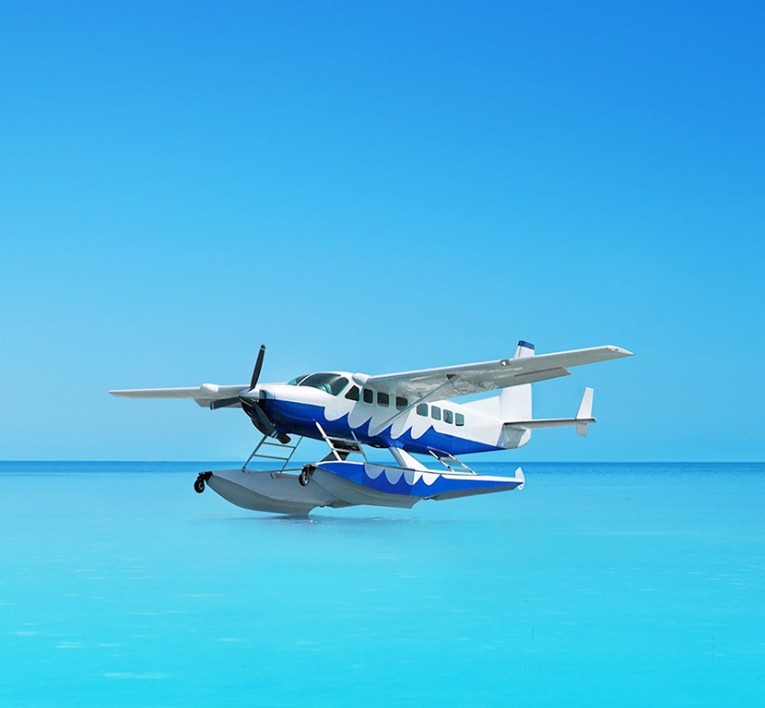
A seaplane base located in North Bimini, the North Bimini Airport is an official port of entry with Customs and Immigration.
Find Your Way
Discover Your Next Adventure
















Bimini


