Ecotourism In The Bahamas
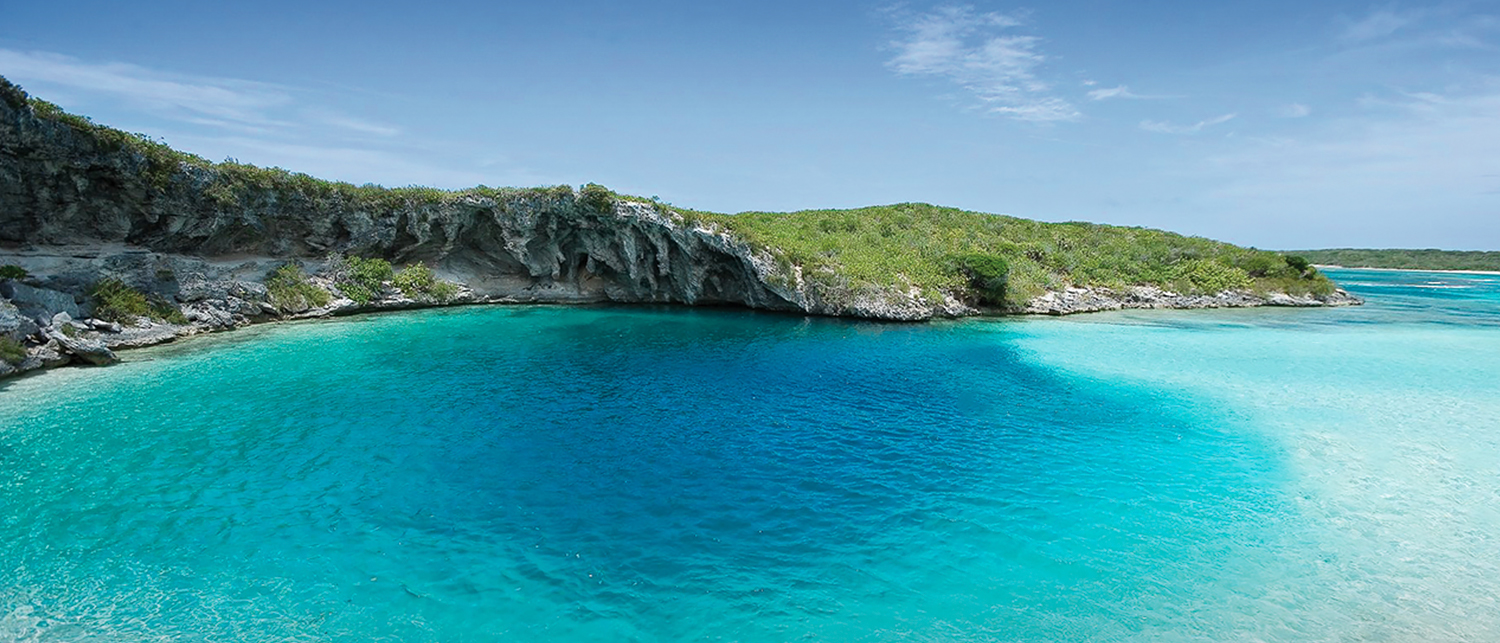
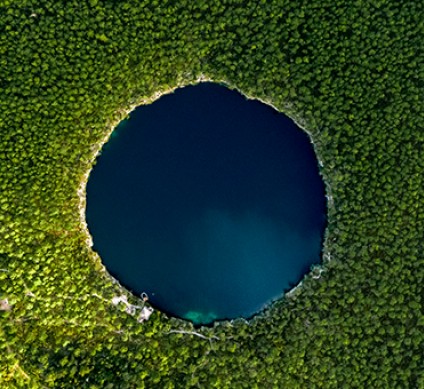
When it comes to exploring nature, The Bahamas has plenty to offer. We play host to some of the most intriguing, exotic and mysterious natural phenomena on the planet. Here you'll find the world's deepest blue hole, the third-largest barrier reef in the world, miles of pink-sand beaches, the world's largest colony of pink flamingos, the endangered Bahama Parrot, the unusual Andros iguana, a wild horse preserve and countless nature preserves. You'll also find a growing number of eco-friendly hotels and resorts in The Bahamas offering vacation packages that support ecotourism and ecotravelers.
Share |
Ecotourism
The Abacos
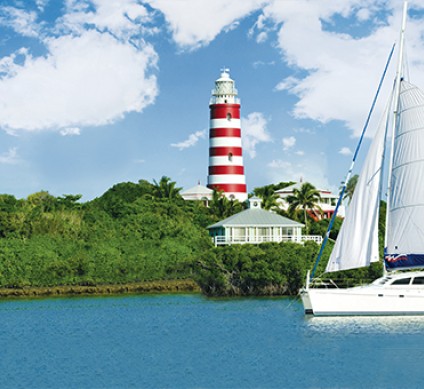
The Abacos are a bird-watcher’s paradise and one of the few places in The Bahamas where you can find the endangered green Abaco or "Bahama" parrot, mainly in South Abaco near Hole-In-The-Wall. A subspecies of the Cuban Amazon parrot, they are known to be the only species of parrot throughout the Caribbean that nests in the ground.
Ecotourism
The Exumas
There are two extensive national parks in The Exumas. The 176-square-mile Exuma Cays Land and Sea Park, created in 1958, was the first land and sea park in the world and is one of the most successful marine parks. It is the first "no-take reserve" (all fishing is prohibited) in the wider Caribbean.
Ecotourism
Andros
Ecotourism is so important here that each year the community dedicates the entire month of October to pay homage to the natural environment. Andros is the ecotourism destination of The Bahamas because of its large pristine, terrestrial and marine ecosystems. The western side of Andros is a nursery for countless marine and wildlife species. It’s also the largest protected park system in the country.
Ecotourism
Grand Bahama Island
Grand Bahama Island is a true nature lover’s paradise. It is home to three national parks, the star of which is Lucayan National Park, the only place in The Bahamas where you can see all six of the country’s ecosystems. Eighteen of the 28 known species of Bahamian birds that are not seen in the United States, Canada or Europe live here.
Ecotourism
Inagua
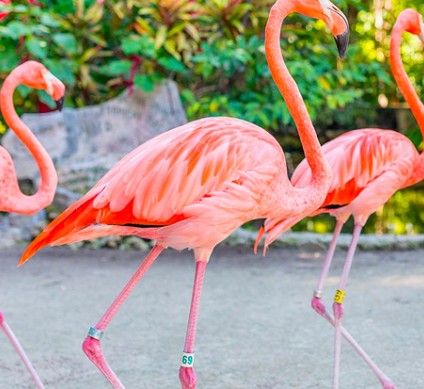
Inagua is an ideal destination for travelers who are interested in ecotourism. It is home to three ecologically important areas that are part of the Bahamas National Park System. The Inagua National Park on Great Inagua (covering half of the island’s land area) is home to the world’s largest breeding colony of West Indian Flamingos, National Bird of The Bahamas.
Ecotours
A range of ecotours across the islands feature the rich biodiversity of The Bahamas. Travel to the caves where Arawak Indians lived before Columbus or the wetlands and coppice forest where rare animals, wild birds and exotic orchids and plant life reside. Whether riding on horseback or hiking on foot trails, a different side of The Bahamas is revealed on ecotours.
National Parks
The national parks of The Bahamas are treasure troves of biodiversity and areas of pure aesthetic beauty. Within the park system you will find one of the world's longest underwater cave systems, a critically important sea turtle research facility, a large collection of rare palms, and a 250 acre wetland that is home to more than 100 birds species.
Natural Wonders
Beneath the waters and across the lands of The Bahamas, ecotravelers can explore natural wonders that stimulate the senses and invigorate the imagination: the world's greatest geologic oddity known as the tongue of the ocean or intricate underground cave systems used by indigenous Bahamians as storm shelters.
Directory Listing
Ecotourism
The Abacos
The Abacos are a bird-watcher’s paradise and one of the few places in The Bahamas where you can find the endangered green Abaco or "Bahama" parrot, mainly in South Abaco near Hole-In-The-Wall. A subspecies of the Cuban Amazon parrot, they are known to be the only species of parrot throughout the Caribbean that nests in the ground.
Read MoreEcotourism
The Exumas
There are two extensive national parks in The Exumas. The 176-square-mile Exuma Cays Land and Sea Park, created in 1958, was the first land and sea park in the world and is one of the most successful marine parks. It is the first "no-take reserve" (all fishing is prohibited) in the wider Caribbean.
Read MoreEcotourism
Acklins & Crooked Island
Turtle Sound, Thompson and Atwood Creeks are natural inland habitats for marine birds, and you'll also see flocks at French Wells, on the cliffs and reefs. Regular bird sightings include flamingos, Caribbean parrots, white-tailed tropicbirds, zenaida doves, Bahama woodstars, Bahama mockingbirds, pearly eyed thrashers, thick-billed vireos, bananaquits, stripe-headed tanagers, black-faced grassquits, white-crown pigeons, piping plovers, egrets, night herons, and greater Antillean bullfinches. There is also “Tarpon Hole,” a blue hole where tarpon fish breed, and you can see iguanas, other exotic wildlife and some lovely rare orchids on Acklins.
Read MoreEcotourism
Andros
Ecotourism is so important here that each year the community dedicates the entire month of October to pay homage to the natural environment. Andros is the ecotourism destination of The Bahamas because of its large pristine, terrestrial and marine ecosystems. The western side of Andros is a nursery for countless marine and wildlife species. It’s also the largest protected park system in the country.
Read MoreEcotourism
Bimini
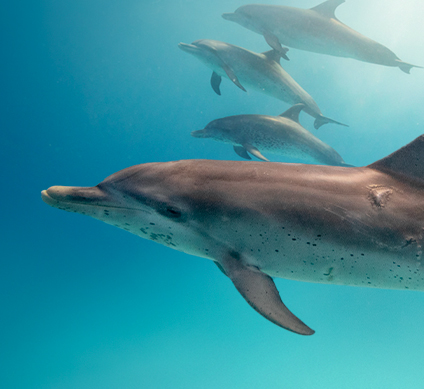
Bimini is rich in natural attractions, like the legendary Gulf Stream in which it sits and naturally occurring phenomena not found anywhere else in The Bahamas. Of note are the fabled Fountain of Youth that drew Explorer Juan Ponce de Leon here, the Healing Hole fresh-water springs gurgling from a saltwater swamp at Bonefish Creek, Shark Mound (500 feet long and 10 feet high) and several other creature-shaped mounds naturally formed from the sand. You will want to visit the Bimini Biological Field Station, a shark lab/research station that studies the role of the lemon shark. Learn about wild dolphins through the Bimini Dolphin Communication Project and interact with them in the wild. Hike through The Bimini Nature Trail and get up close to the plants and animals that call Bimini home, like the Bimini Boa only found here. Organized tours let you easily experience all these wonders.
Read MoreEcotourism
Cat Island
Numerous migratory and indigenous bird species nest in the hardwood and palm trees throughout the island, songbirds hide in bushes at Mount Alvernia and water birds inhabit swampy areas. Orange Creek in north Cat Island earned its name from the luminescent orange glow that it takes on when certain conditions are synchronized on the creek's bottom. That is the angle of the sun, the wind and waves. Nearby is Griffin Bat Cave, two inland blue holes, thought to be 60-70 feet deep with a species of shrimp and fish with no eyes living in them. One is called the Bad Blue Hole, a freshwater lake with strong undersea currents that flow through its caverns linking to the sea.
Read MoreEcotourism
Eleuthera & Harbour Island
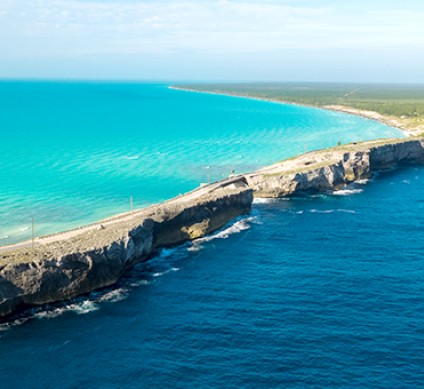
Eleuthera is a nature-lover’s paradise, offering many natural adventures and fascinating sites to explore: the one-of-a-kind Leon Levy Native Plant Preserve, home to a large variety of native flora and fauna; world-renowned Ocean Hole blue hole, supposedly explored by Jacques Cousteau and rumored to have healing powers; the famous Glass Window Bridge, narrowest point on the island where the Atlantic Ocean separates the calm Exuma Sound by 30 feet; Boiling Hole, Ocean Hole and Queen’s Bath; and interesting caves like Preacher’s Cave, Hatchet Bay Cave and Boiling Hole Cave. You are likely to see a variety of migratory birds throughout the islands: the Kirkland's warbler, white-cheeked pintail, zenaida dove, great lizard cuckoo, Bahama woodstar, La Sagra's flycatcher, Bahama mockingbird, thick-billed vireo, bananaquit, stripe-headed tanager, black-faced grassquit, and the Greater Antillean bullfinch.
Read MoreEcotourism
Grand Bahama Island
Grand Bahama Island is a true nature lover’s paradise. It is home to three national parks, the star of which is Lucayan National Park, the only place in The Bahamas where you can see all six of the country’s ecosystems. Eighteen of the 28 known species of Bahamian birds that are not seen in the United States, Canada or Europe live here.
Read MoreEcotourism
Inagua
Inagua is an ideal destination for travelers who are interested in ecotourism. It is home to three ecologically important areas that are part of the Bahamas National Park System. The Inagua National Park on Great Inagua (covering half of the island’s land area) is home to the world’s largest breeding colony of West Indian Flamingos, National Bird of The Bahamas.
Read MoreEcotourism
Long Island
Long Island is eco-friendly and endowed with natural beauty and charm that provides endless opportunities to experience nature hikes, nature walks and eco-marine activities. A small flock of flamingos migrated from Inagua to Long Island a few years ago and made their home at the southern tip of the island. Among the other species found here is a large flock of the endangered West Indian whistling duck. They inhabit secluded mangroves and other wetland areas and sightings are rare due to their secretive nocturnal nature. A number of other waterfowl can be seen along the shorelines; migratory and indigenous species also roost in hardwood trees. Participate in an eco-tour and visit Sandy Cay to feed the iguanas and explore starfish beds, or spot dolphins in the wild.
Read MoreEcotourism
Mayaguana
If you are a nature lover, you will want to explore Black Wood Point, located on the northeastern tip of upper Pirate’s Well. It is one of the natural habitats for flamingos, National Bird of The Bahamas, and a variety of other bird species. It is also a breeding ground for conch and most of the indigenous fish. It is advisable to get an escorted boating tour to see them, since the approach by land could be treacherous across the rocks. A number of bird species roost in the buttonwood trees and native shrubs at Curtis Creek near North Beach, and on the nature trails at Northwest Point. Nesting sea turtles can be found throughout the undeveloped eastern part of the island. Numerous iguanas, wild goats and booby birds inhabit Booby Cay and Booby Rocks.
Read MoreEcotourism
Nassau & Paradise Island
Waterfowl and wading birds are dominant throughout Nassau/Paradise Island. You’ll also likely encounter egrets and herons, Bahama pintails, ruddy ducks and Caribbean coots. And don't forget everyone's favorite—the marching flamingos.
Read MoreEcotourism
Ragged Island
The community has established an ecotourism program to enhance the natural environment, providing trees for residents to plant and nurture. In summer, birds flock on the mainland at Gun Point and at several cays like Hog Cay, Johnson Cay and Maycock Cay. Butterflies migrate in March and August. At times, herds of wild goats roam at Gun Point and near the airport.
Read MoreEcotourism
Rum Cay
A day at the salt pond near Port Nelson will give you the experience of a lifetime. You can explore this protected ecosystem, which is essentially the nursery of The Bahamas and home to much of the marine life here—baby turtles, lobsters, groupers and others. The natural barriers of the salt pond provide a safe area for the young sea creatures to grow before they find their way to the ocean. You are likely to see flocks of marine birds overhead and glimpse other species throughout the mainland on most days. Conception Island National Park, located to the north of Rum Cay, is an important sanctuary for migratory birds, in addition to a rookery for nesting seabirds. Tours can be arranged to visit the island through Sumner Point Marina & Resort or local fishing guides.
Read MoreEcotourism
San Salvador
A majestic Great Lake covers most of the island's interior and has been designated a protected area to preserve its natural, pristine wonder for future generations. You can take a nature tour by boat along miles and miles of salty inland lakes and see giant cactus, palm trees and mangrove swamps teeming with wildlife. Low Cay is home to endangered iguanas and has been chosen as a site for scientific study of the creatures. Seagulls, white egrets and cormorants are among the abundant variety of marine birds here. They can be seen nesting or flying near most of the attractions, in trees, mangrove swamps, at the Great Lake and on outlying cays: Green Cay, Gaulding Cay, White Cay, Cat Cay and High Cay. Other species can be found in hardwood trees and shrubs throughout the island, and you’re likely to see them while on a bird-watching, kayaking or nature tour.
Read MoreEcotourism
The Berry Islands
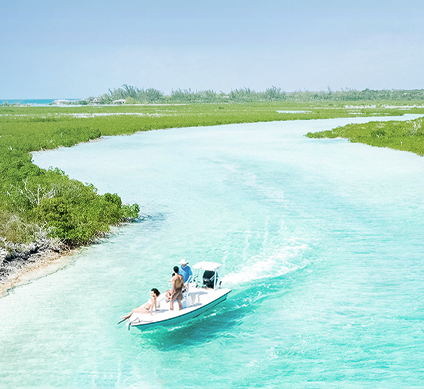
The Southern Berry Islands Marine Reserve encompasses all or some of these cays: Crab Cay, Fowl Cay, Chub Cay, Frazer’s Hog Cay, Diamond Rock, Bird Cay, Cat Cay, Big Whale Cay, Goulding Cay, Pigeon Cay and Vigilant Cay. The southernmost tip of Great Harbour Cay has one of the largest and most fertile mangrove creeks in The Bahamas, great for bird watching and home to a variety of marine life that you will see swimming right under your kayak. Little Whale Cay is a private island originally developed by Wall Street mogul Wallace Groves in the 1930s as a residence and bird sanctuary. It has become a lush paradise for a great number of birds, many of which can be traced back to Wallace Groves' original bird collection—flamingos, the endangered West Indian whistling duck, Bahama woodstar, hummingbirds and domestic peacocks.
Read More