

The Boating Capital ofThe Bahamas
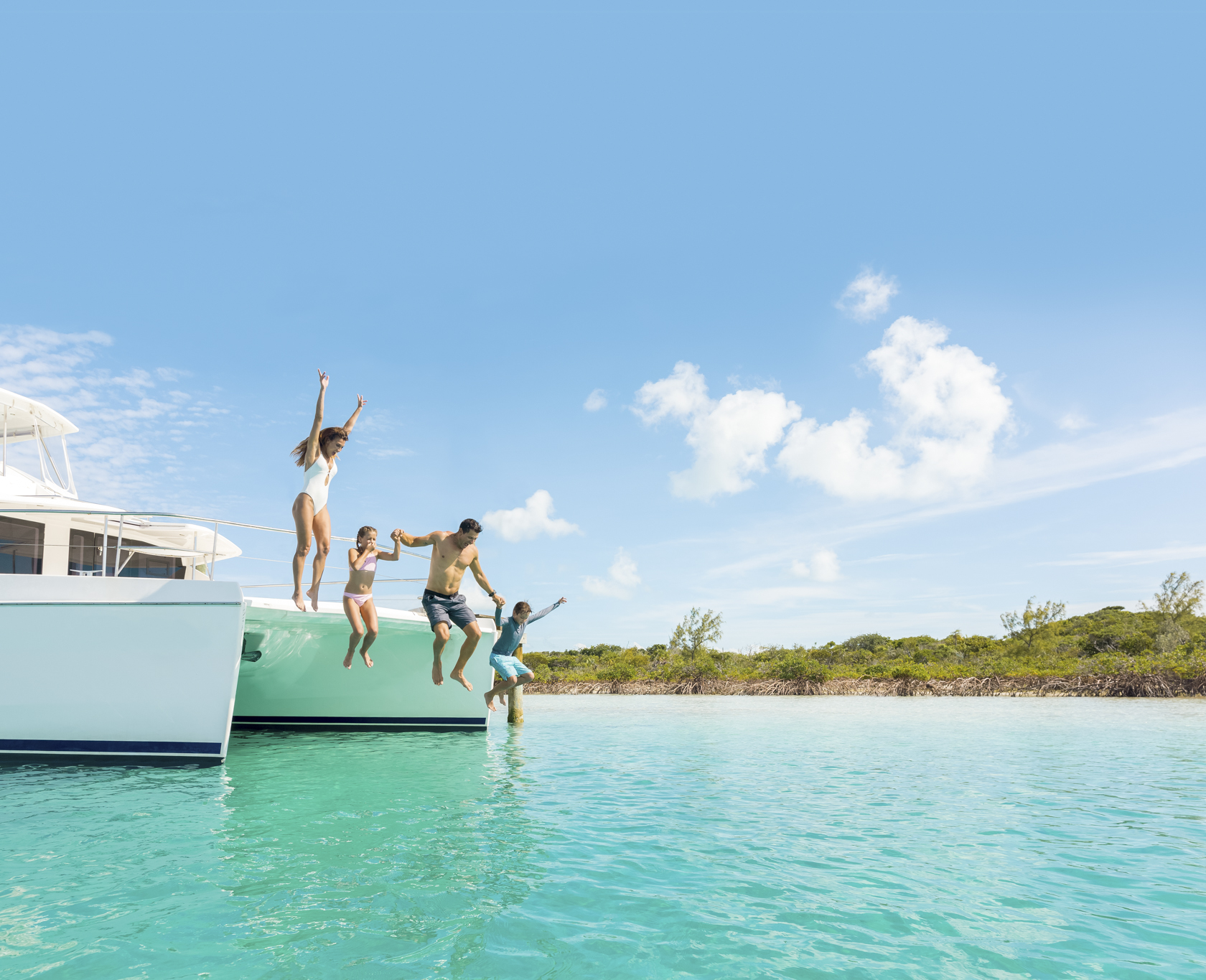
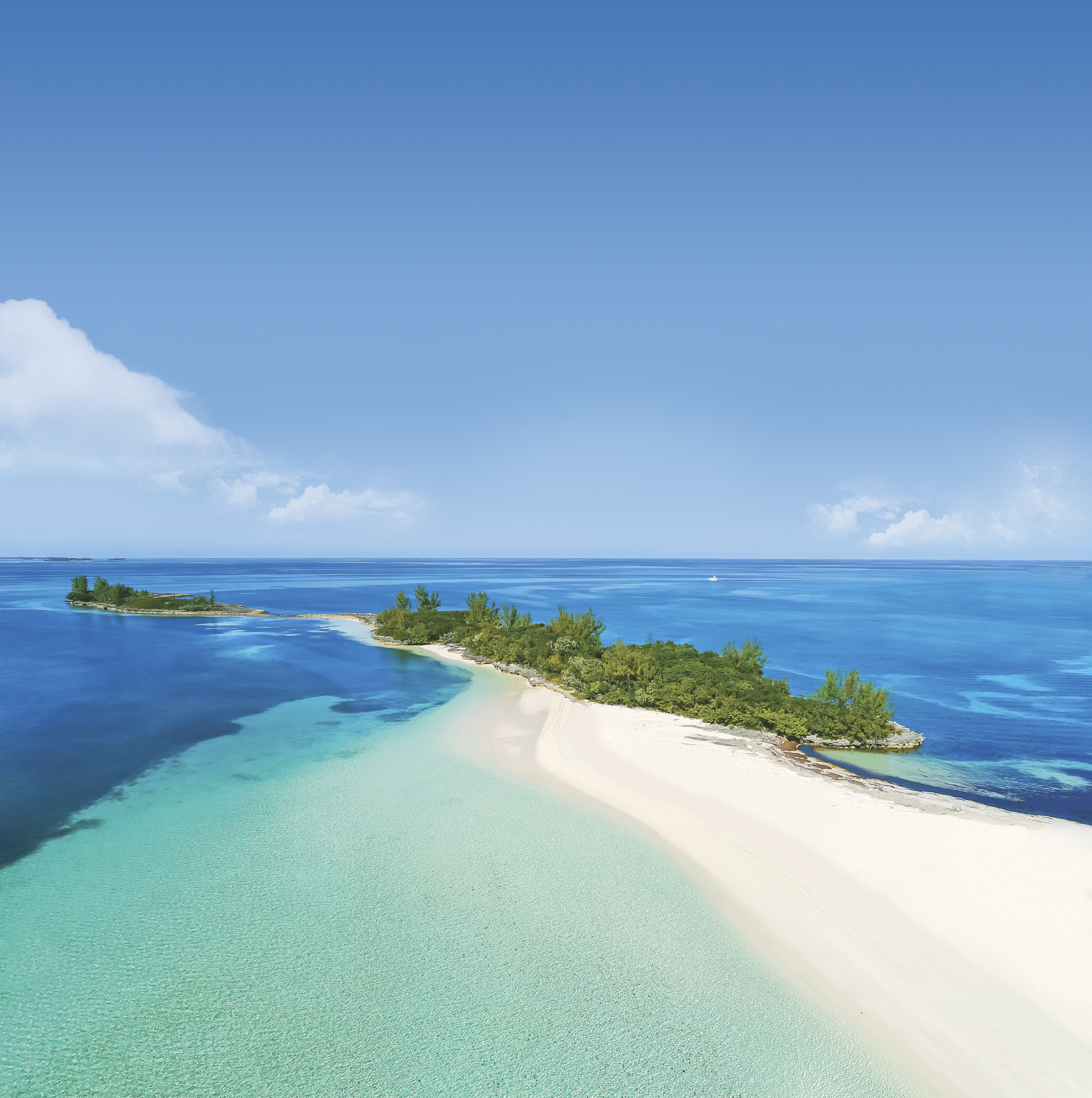
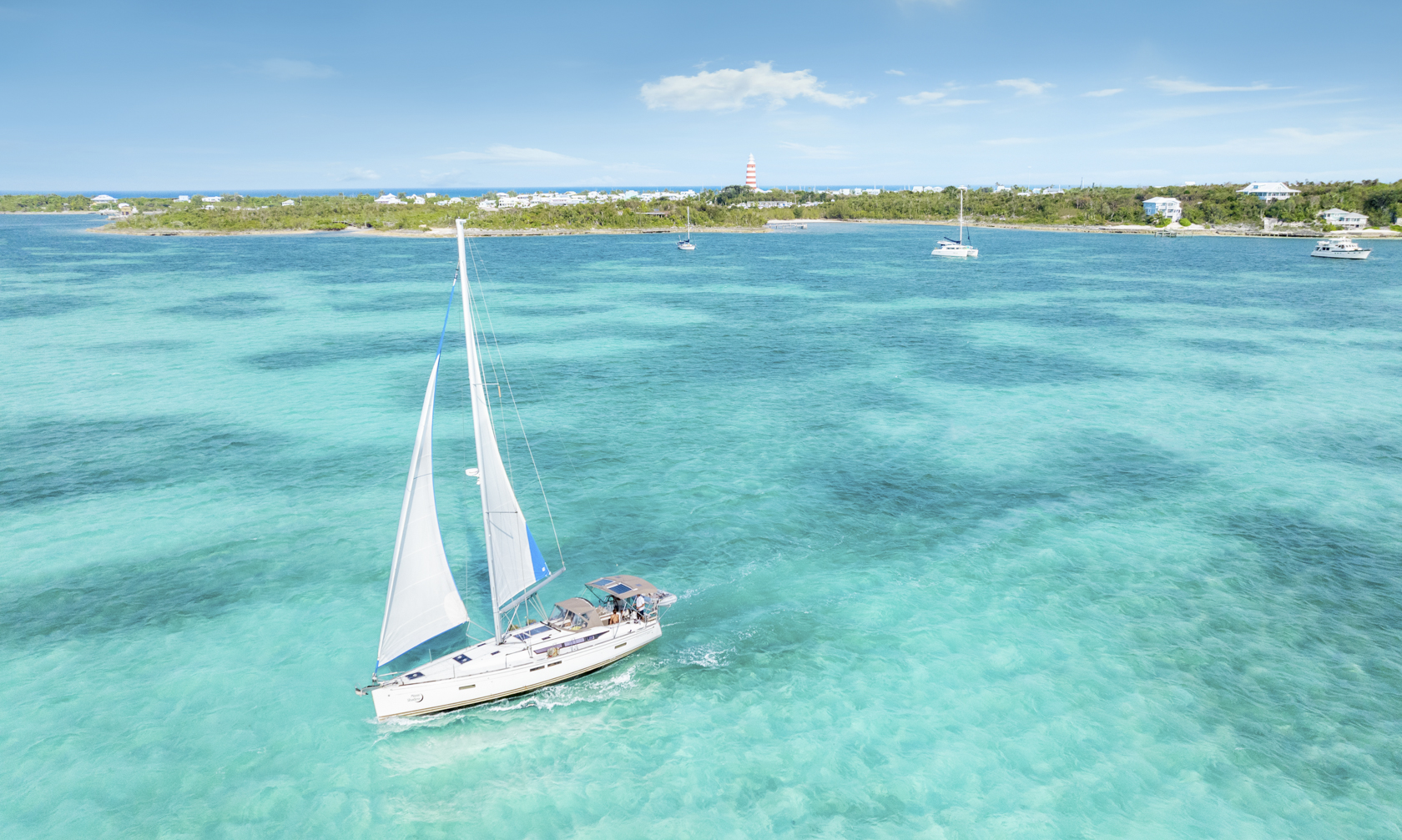
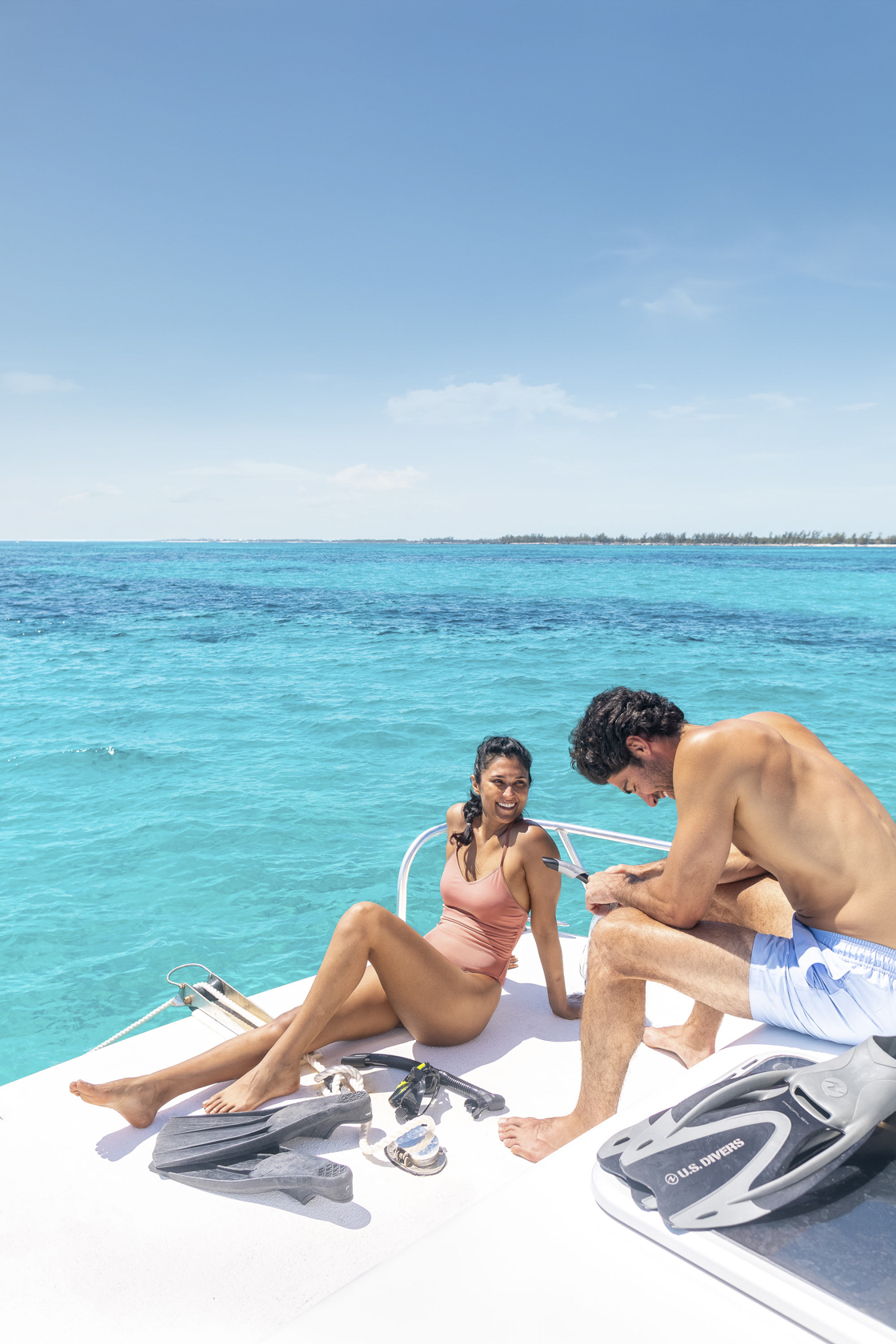
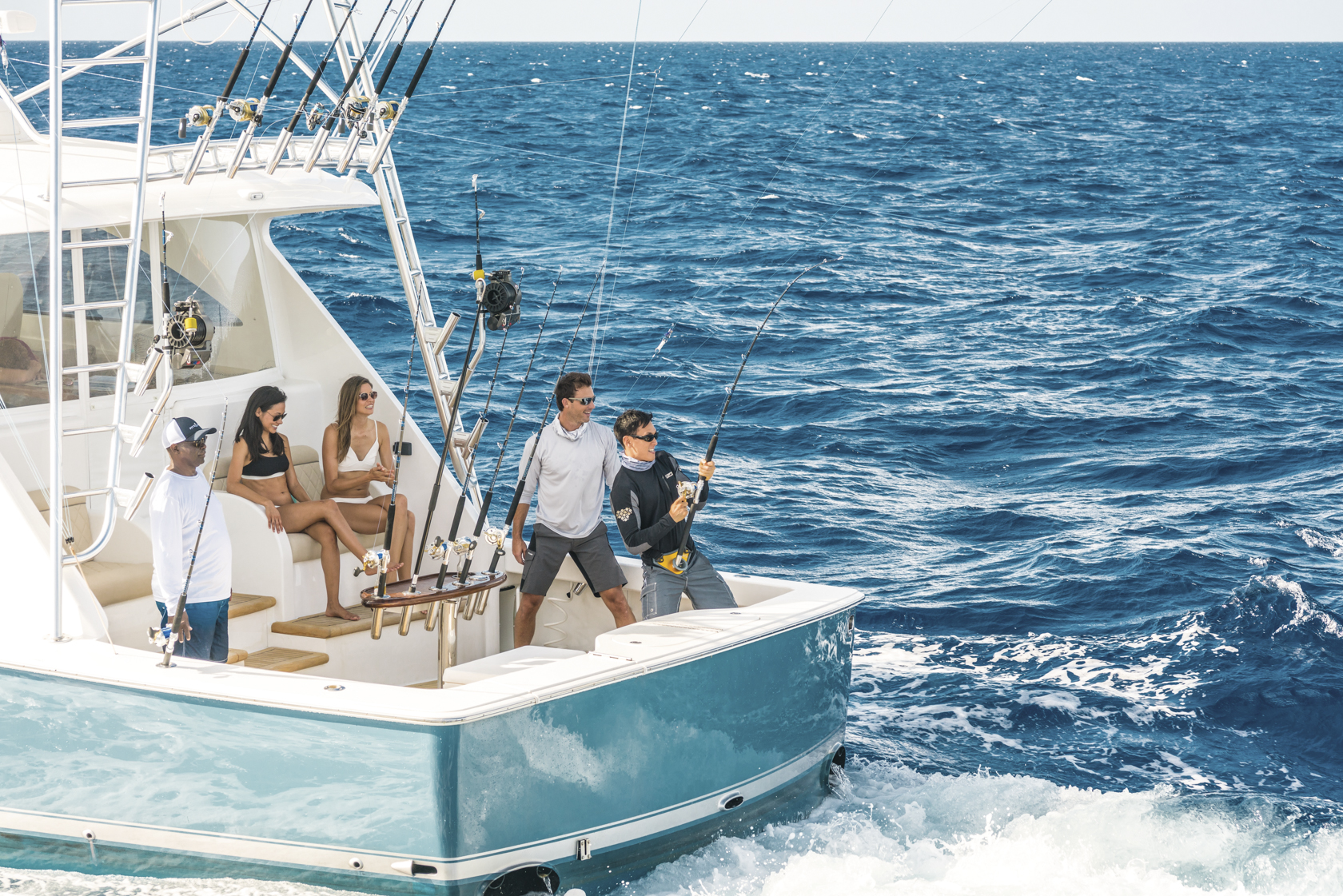
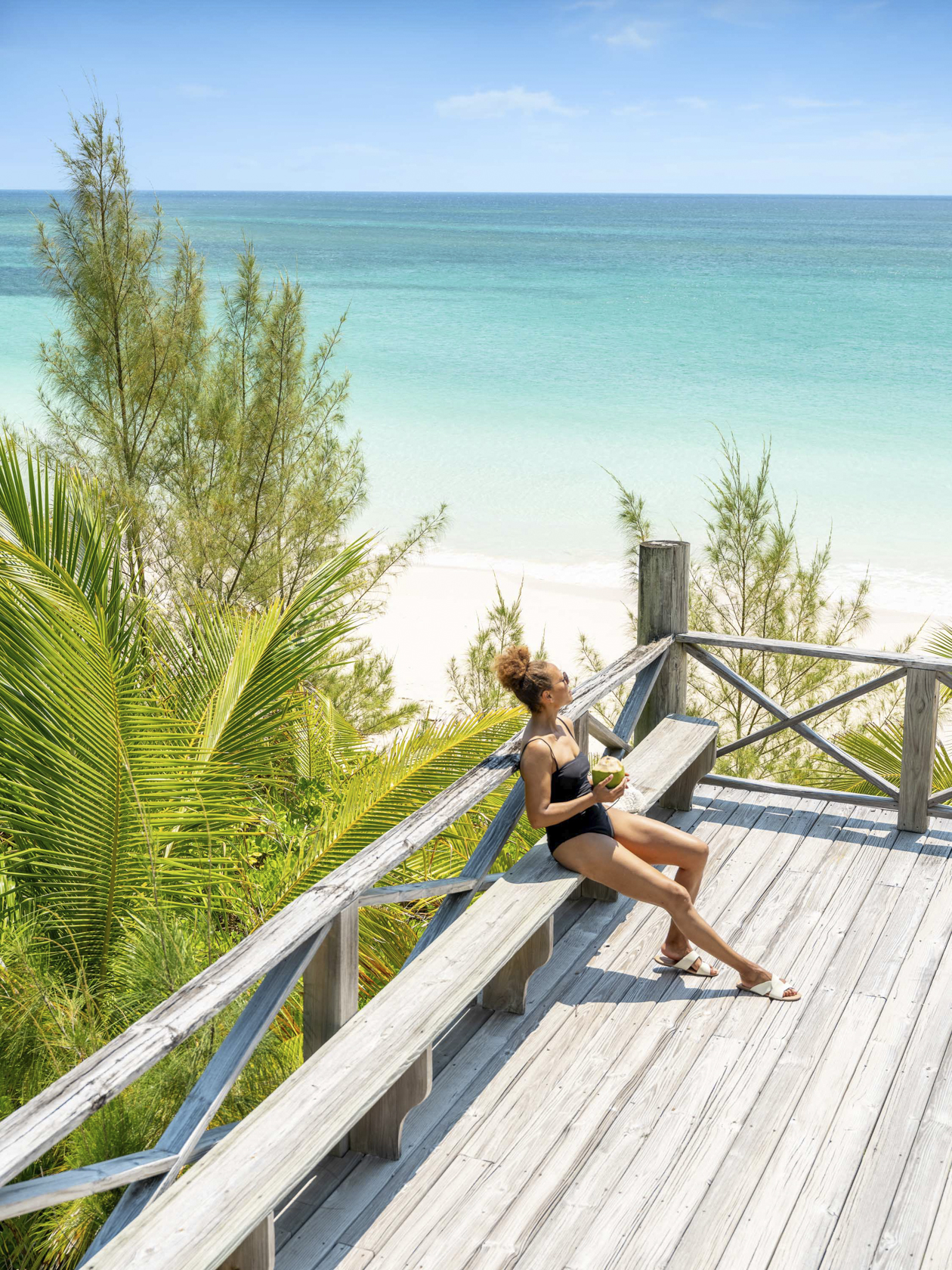
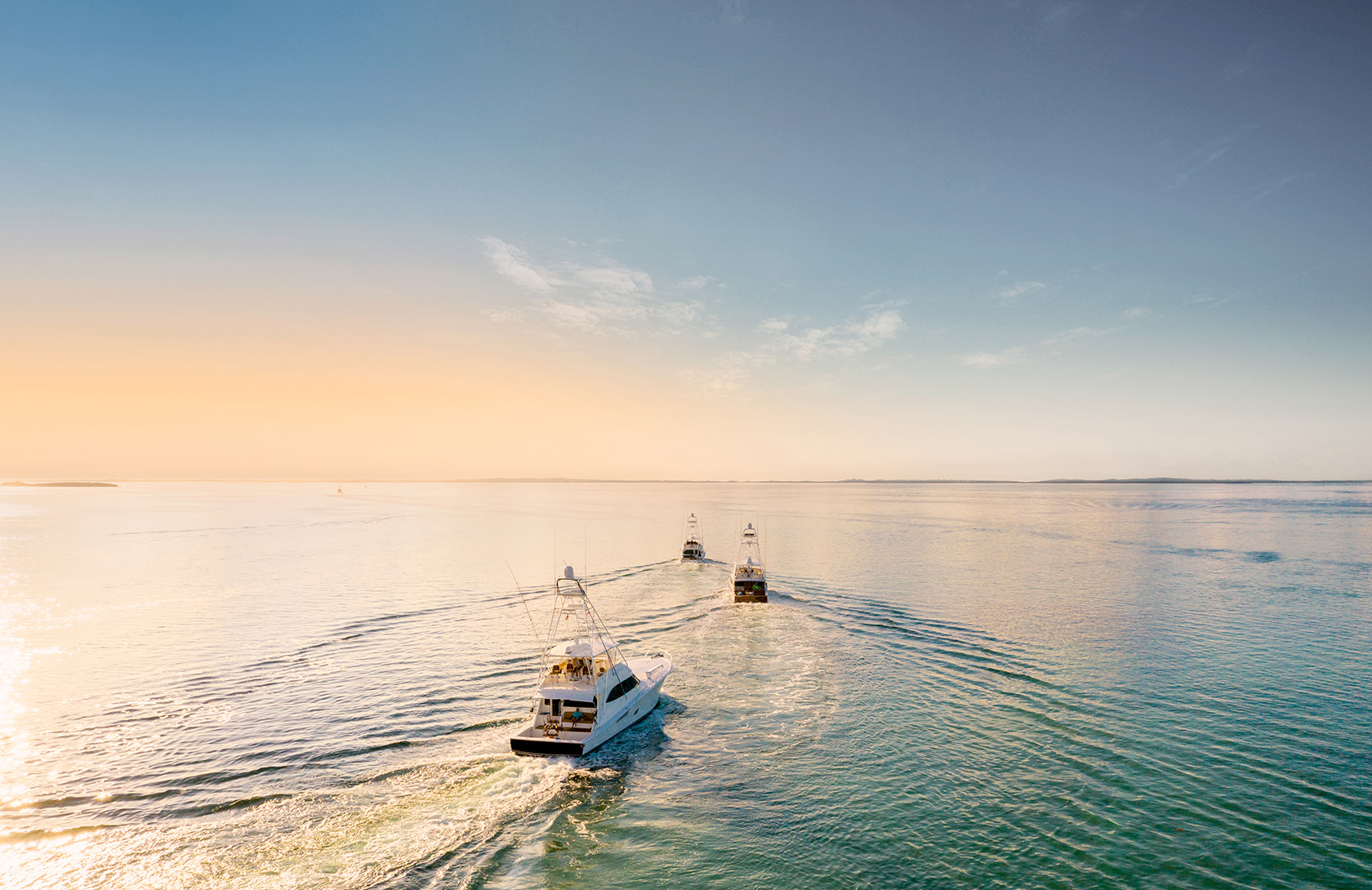
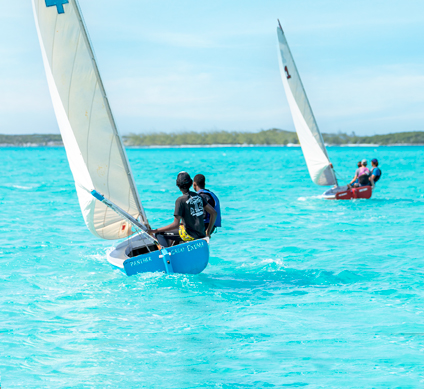
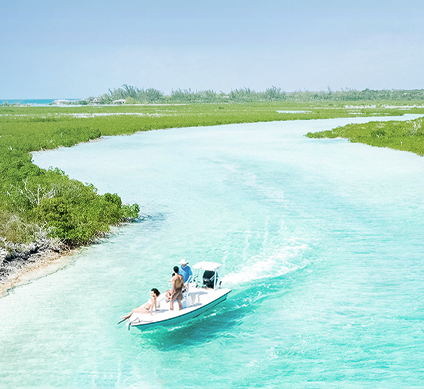
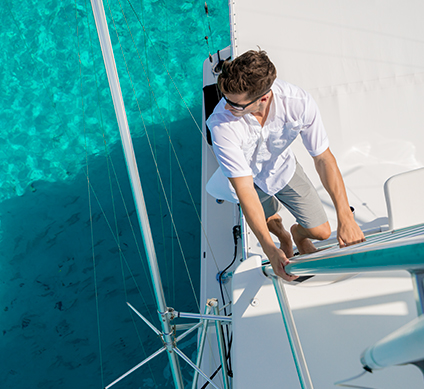
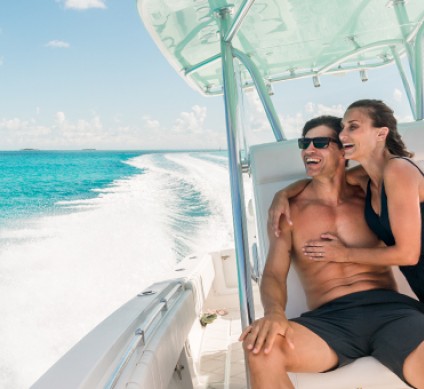
The Abacos island chain is a boating, fishing, and sailing paradise. But it’s not just the sea that attracts travellers from around the world. Those who prefer to explore by land will find charming colonial towns, championship golf courses, and countless hotels, restaurants, and bars.
Get Travel Ideas
This chain of islands and cays, divided loosely into North, Central and South Abaco, spans 120 miles. Savvy travellers know that to truly experience The Abacos, you must venture beyond one island.


Island Resorts & Retreats Where to Stay

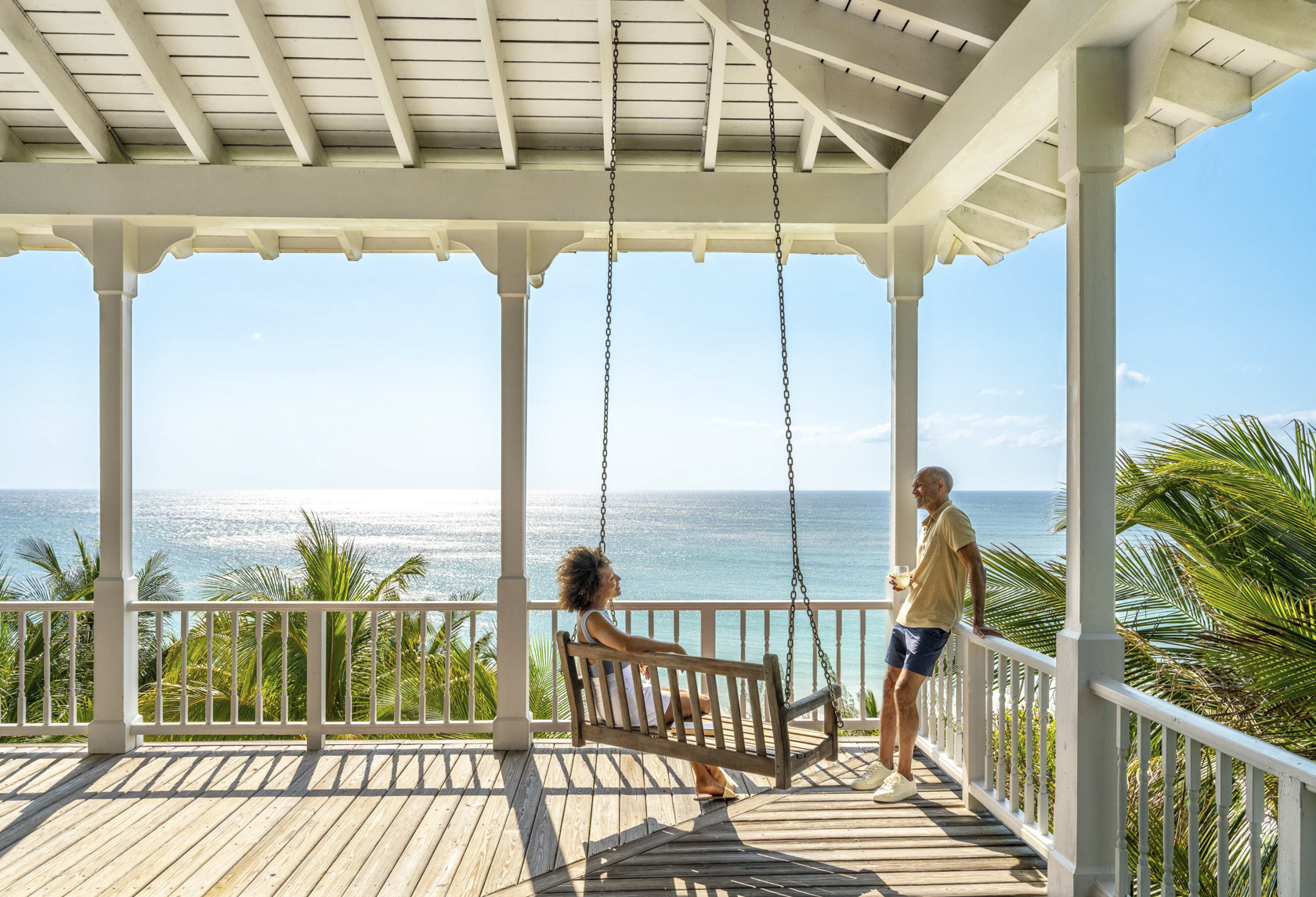
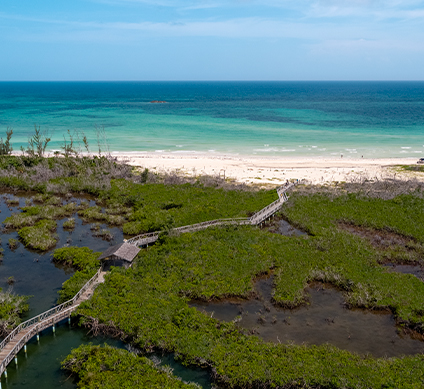
As unique and diverse as the island itself, accommodations in The Abacos include beachfront bungalows, luxury villas, and four-star boutique hotels.
View All


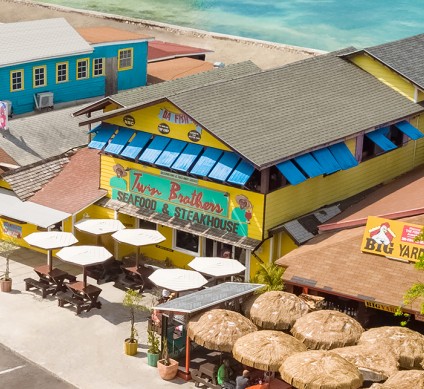
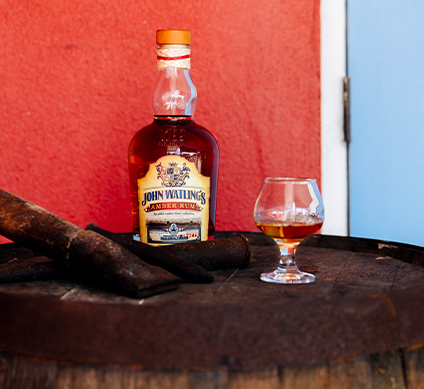
Fresh Island Flavours Drinks & Dining

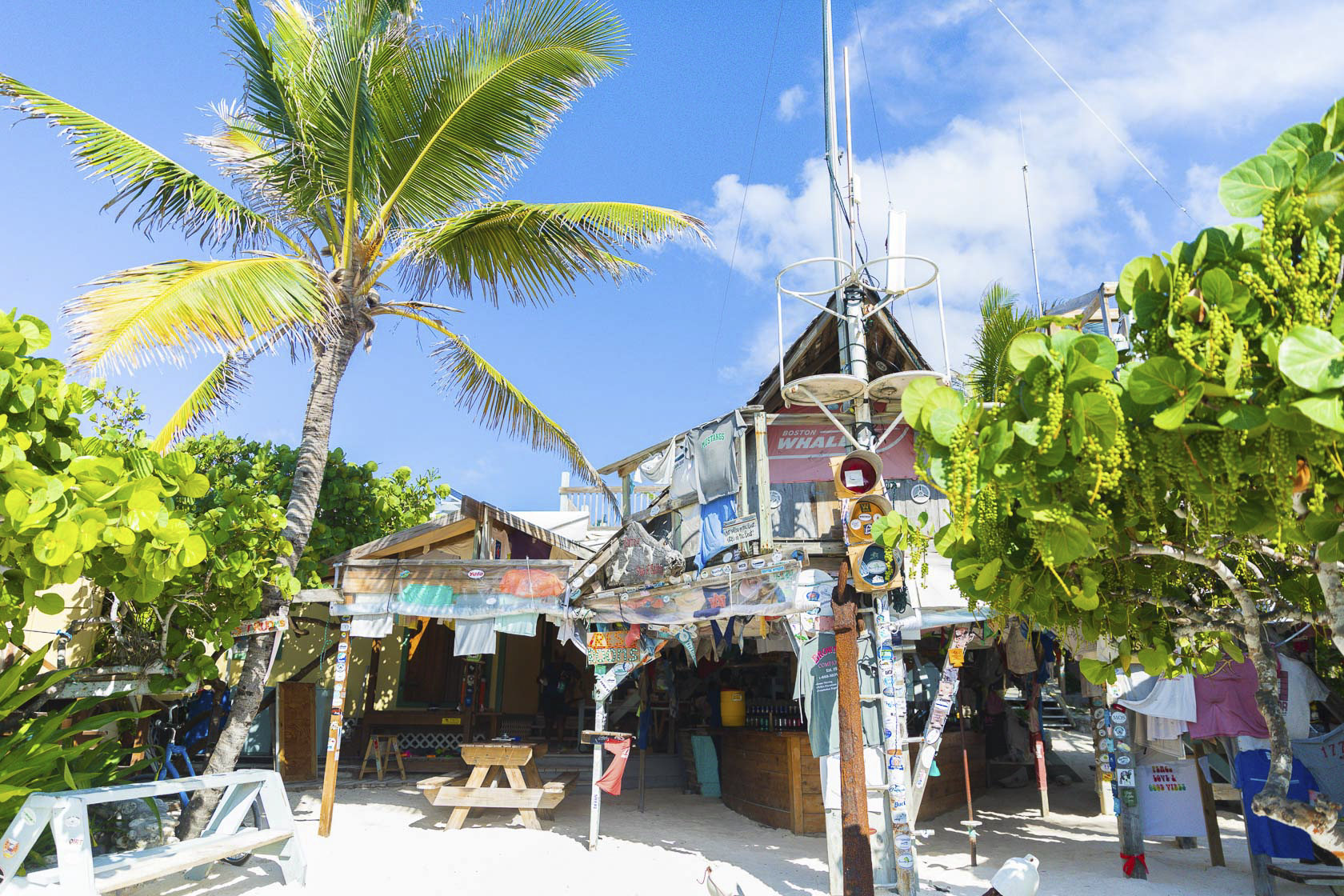
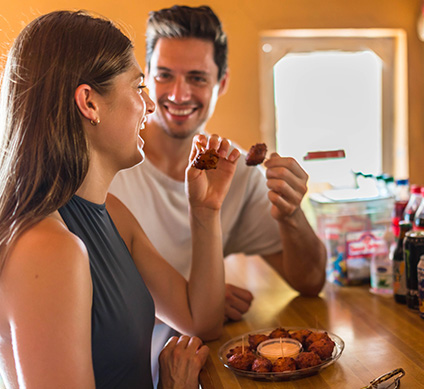
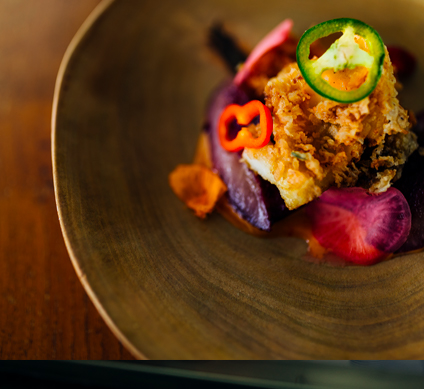
From no-frills to fine dining, it’s easy to eat (and drink) well in The Abacos. After all, The Bahamas’ most famous drink, the Goombay Smash, was invented here.
View AllThe Abacos
Find Your Way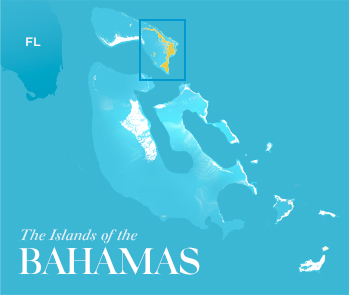


Little Harbour
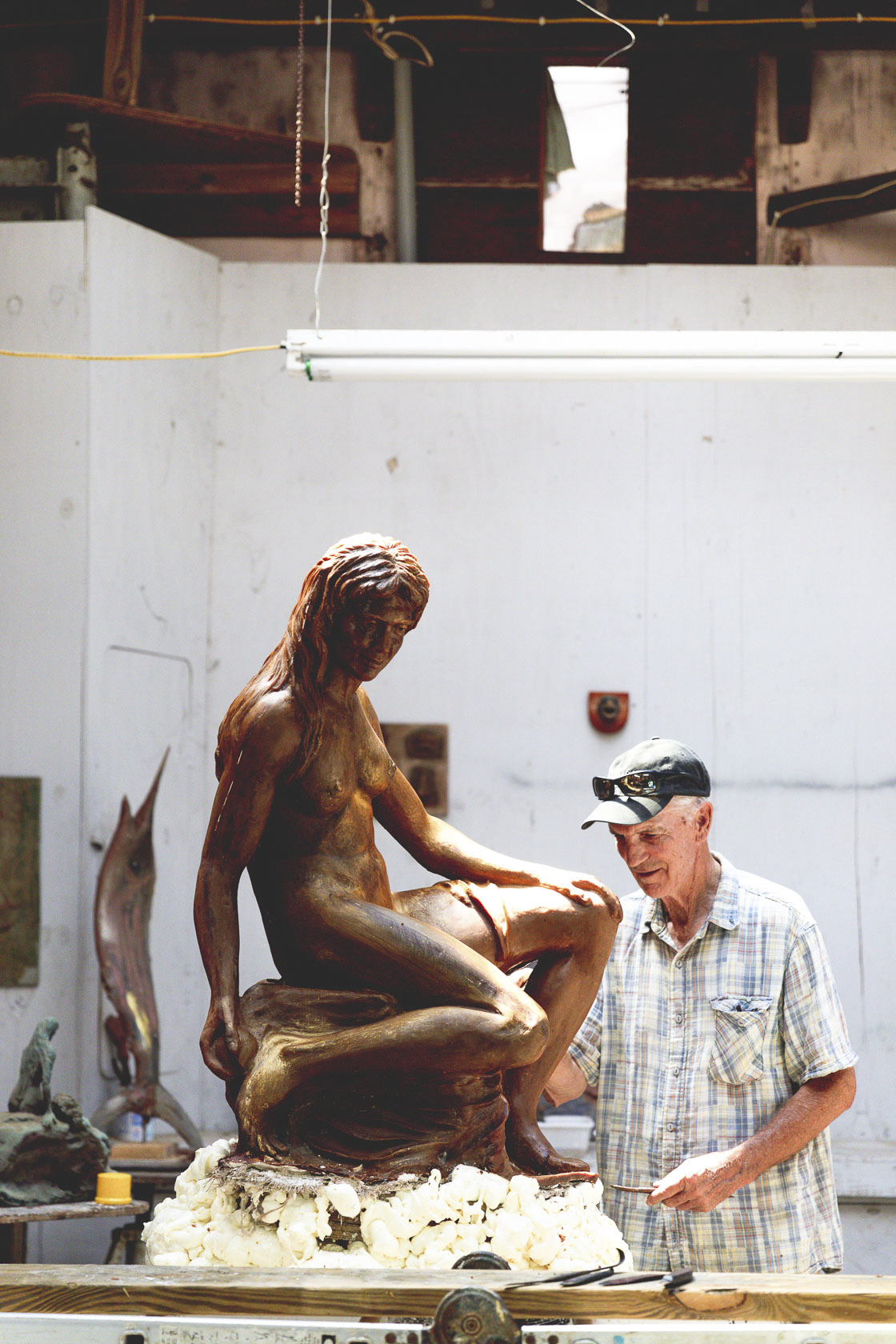
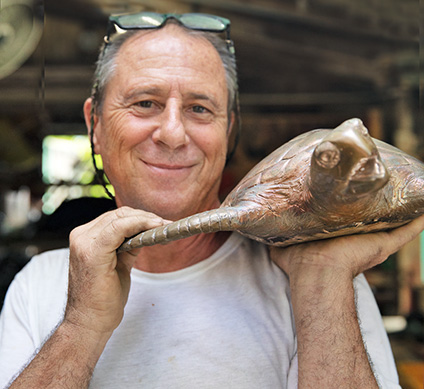
Settled by famed artist Randolph Johnston and his wife Margot in 1951, Little Harbour has become something of a remote artists' colony best reached by boat. Today it is home to the Johnston Art Gallery & Foundry and Pete's Pub.

Marsh Harbour
The commercial centre of The Abacos, Marsh Harbour has a growing number of shops, cafés, and restaurants travellers love with Treasure Cay, Sandy Point, and Little Harbour offering a slower pace.

Treasure Cay
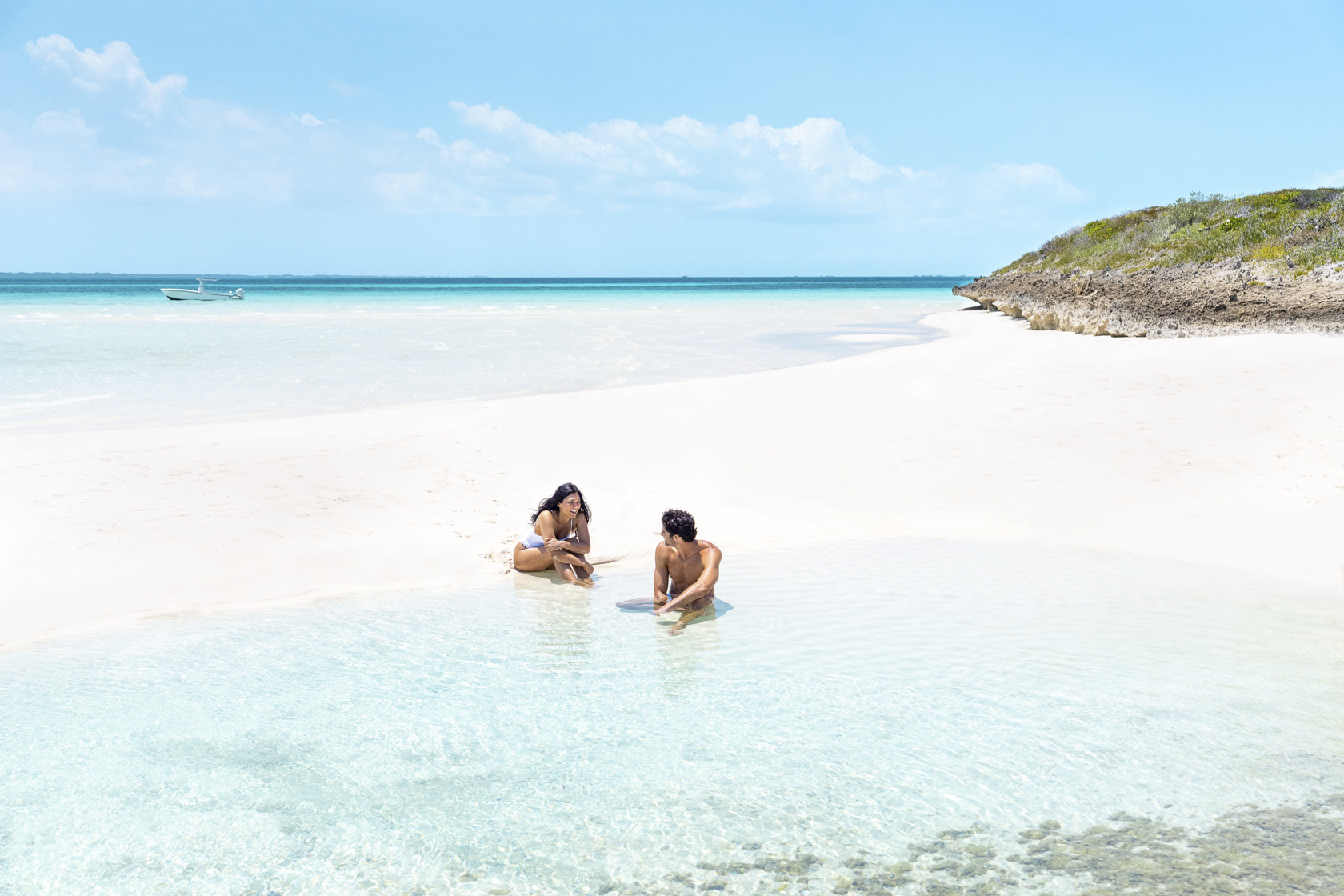
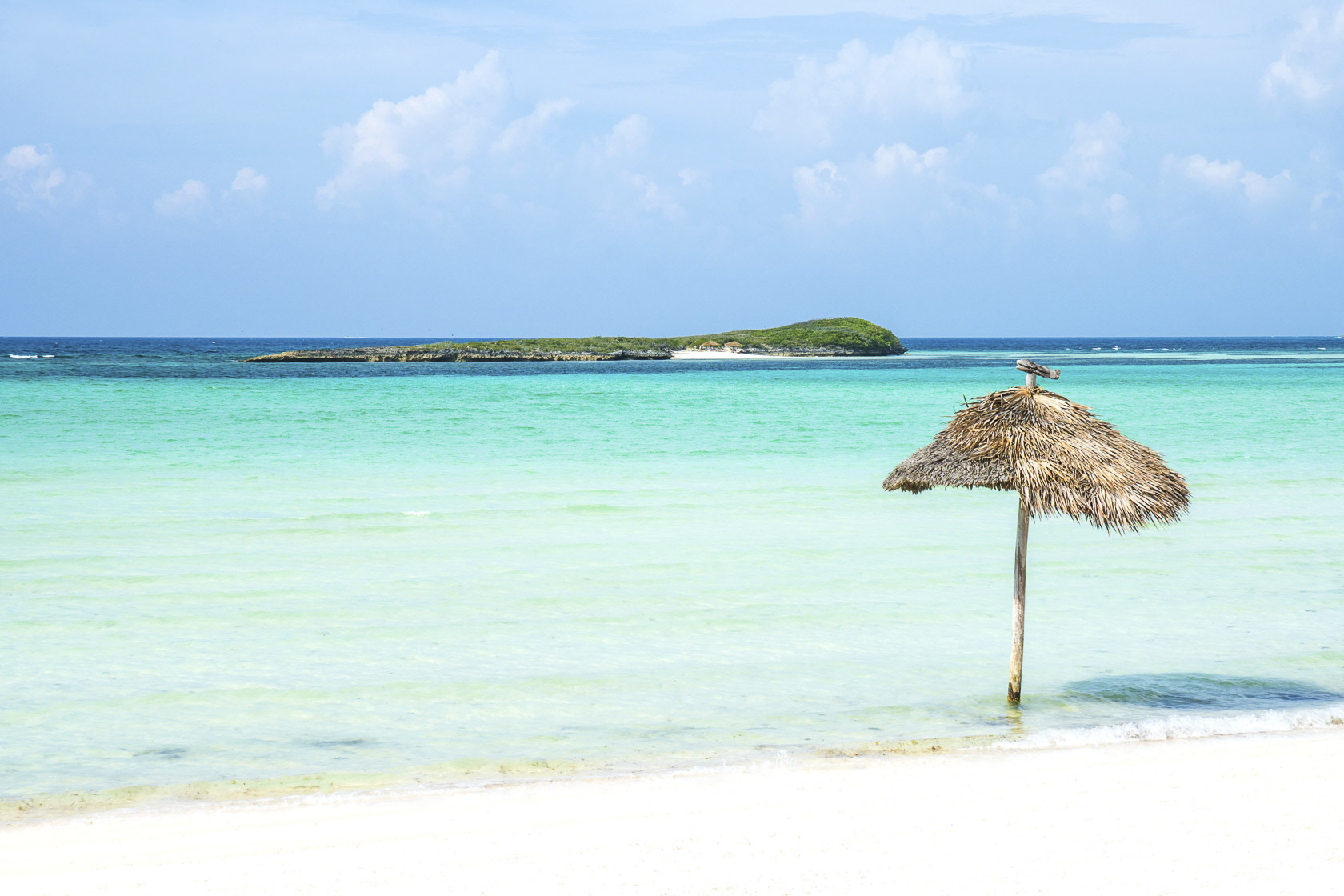
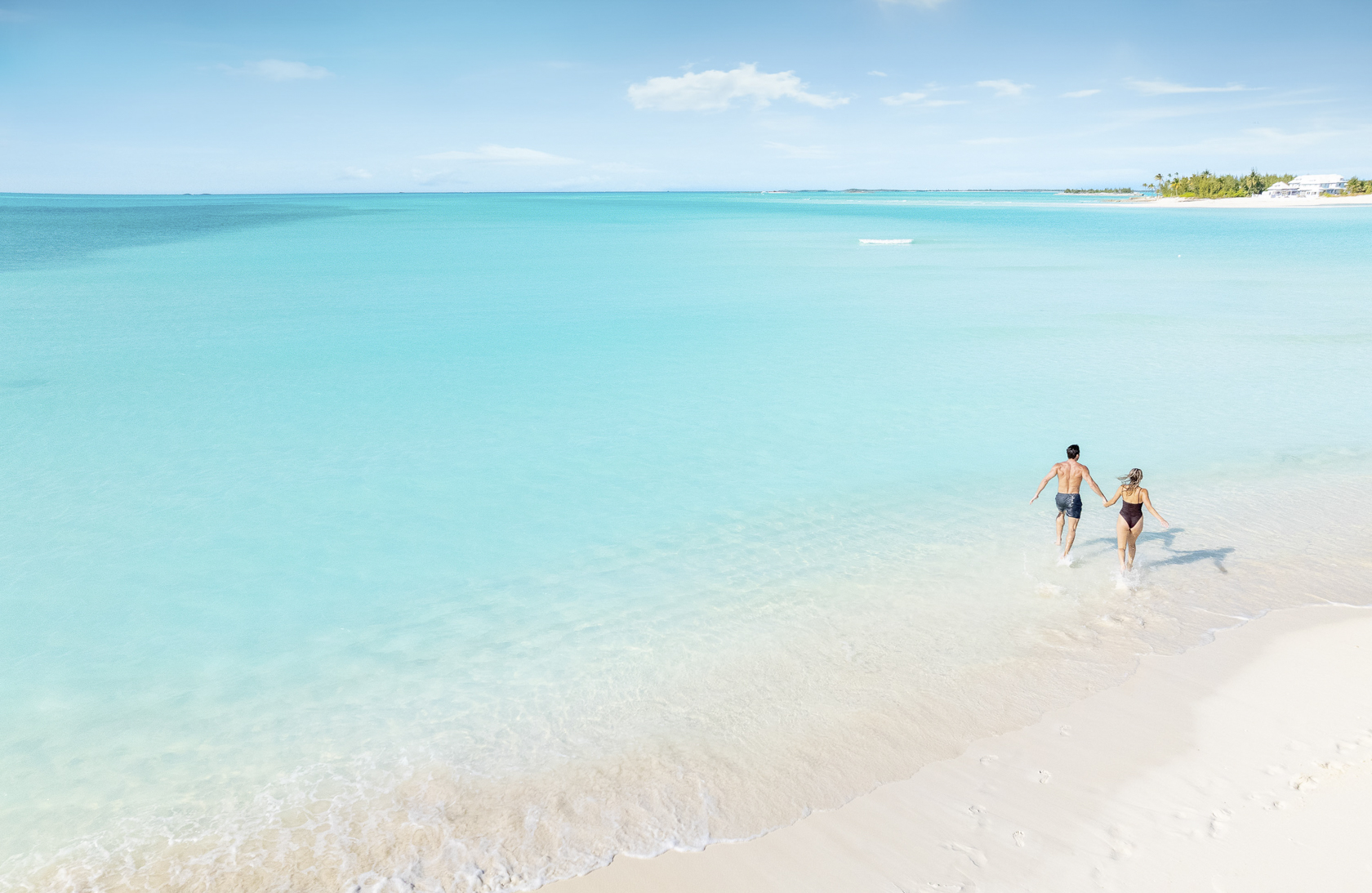
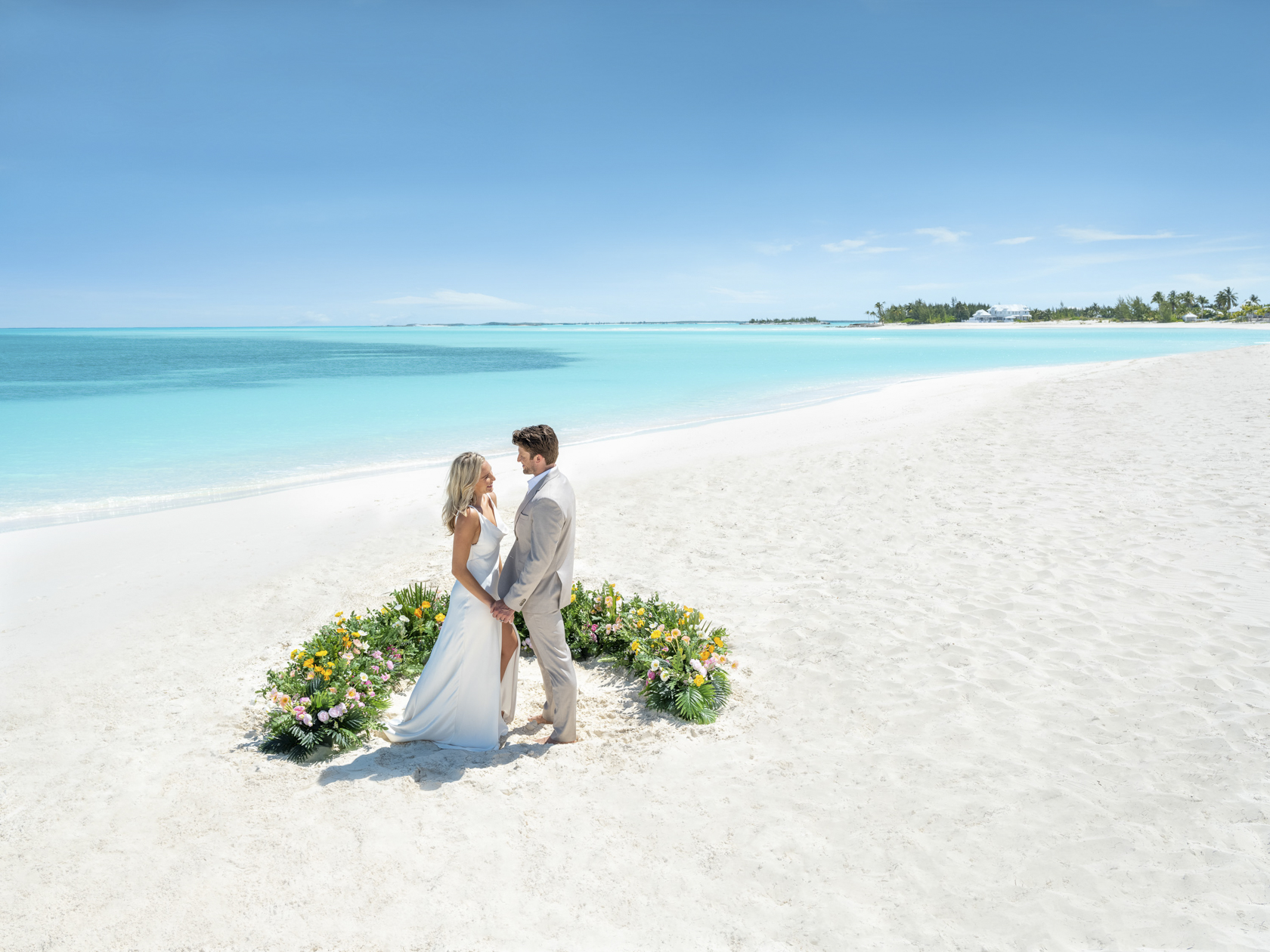
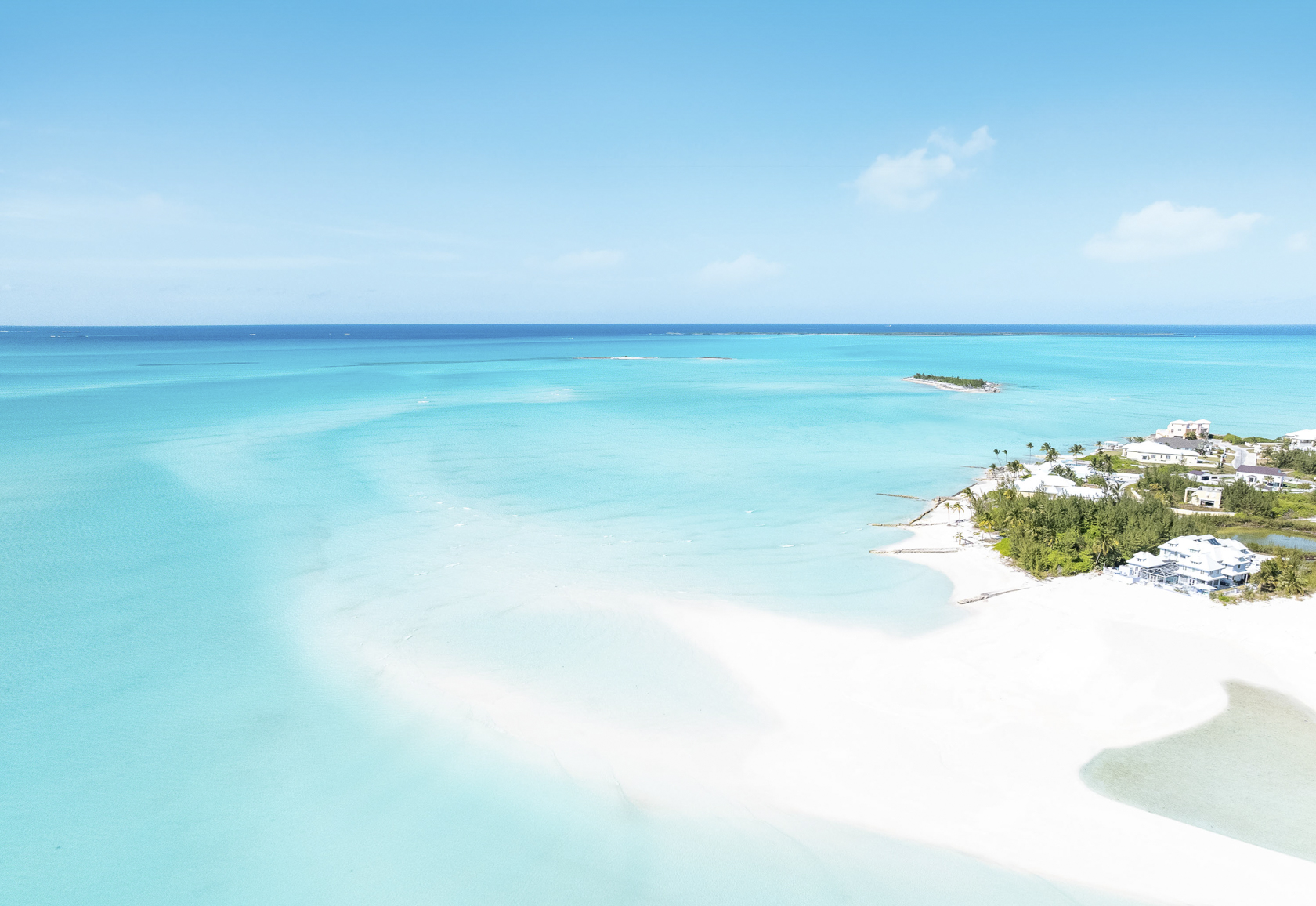
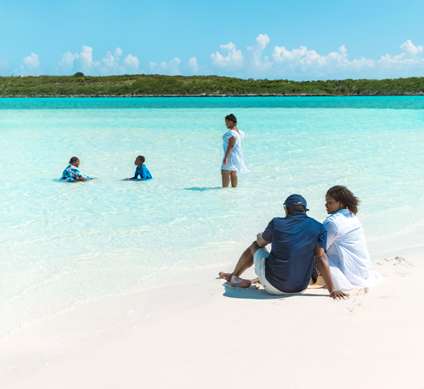
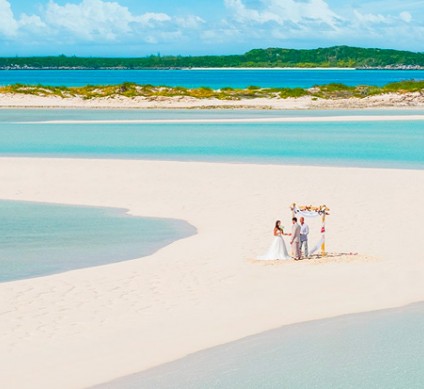
Serene and secluded, the resort district of Treasure Cay boasts crystal-clear waters and white-sand beaches.

Sandy Point
The southernmost settlement on Great Abaco, Sandy Point is the site of the annual Homecoming and Conch Fest. It is served by regional Sandy Point Airport.

Man-o-War Cay
Man-o-War Cay
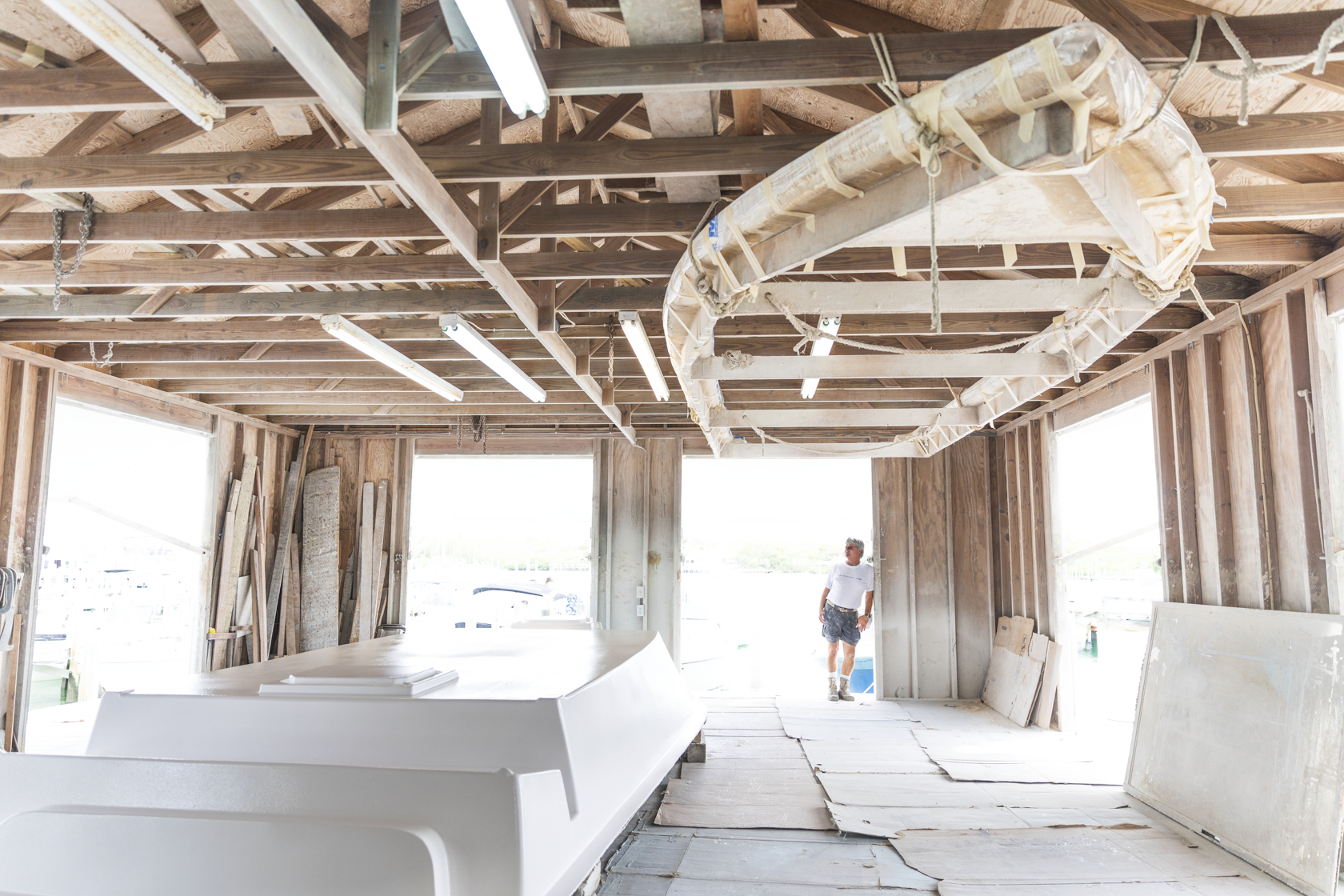
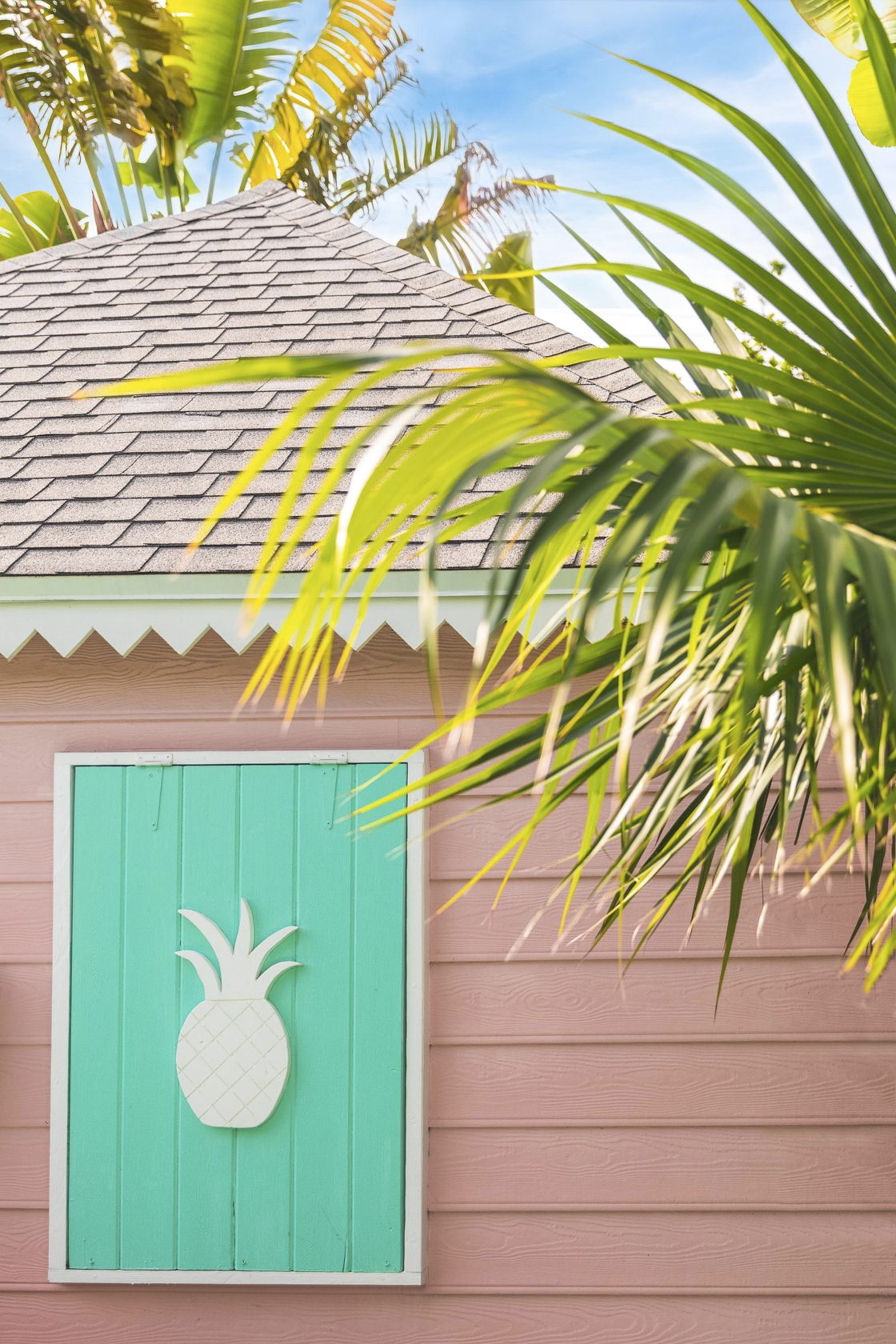
One of the earliest colonial settlements in The Abacos, Man-O-War is most well-known for its boat building tradition. The quaint cay, a living testament to its long history, is reachable by ferry via Marsh Harbour.
Learn More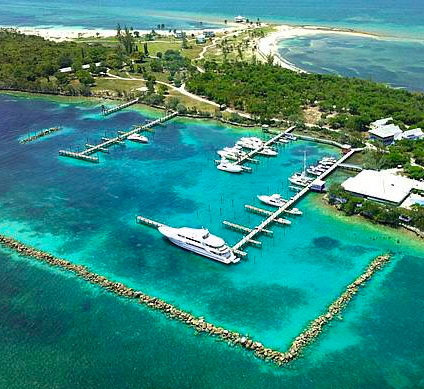
Spanish Cay
Spanish Cay
An idyllic private island resort, only 3 miles long, Spanish Cay’s 81-slip marina accommodates yachts up to 250 ft and offers Customs and Immigration as an official Port of Entry.

Moore's Island
Moore's Island

Tilloo Cay
Tilloo Cay
This small cay located south of Hope Town is home to Tilloo Cay Reserve.

Lubbers Quarters Cay
Lubbers Quarters Cay
Located 3 miles south of Hope Town, the cay was uninhabited until the 1930s. This small cay has roughly 30 full time residents and is reachable only by private or chartered boat.
Grand Cay

Great Abaco
Great Abaco
Great Abaco is home to Marsh Harbour, The Abaco’s commercial hub, and to resort district Treasure Cay in the north. The island has multiple official ports of entry, including the Leonard M Thompson International Airport.

Great Guana Cay
Great Guana Cay
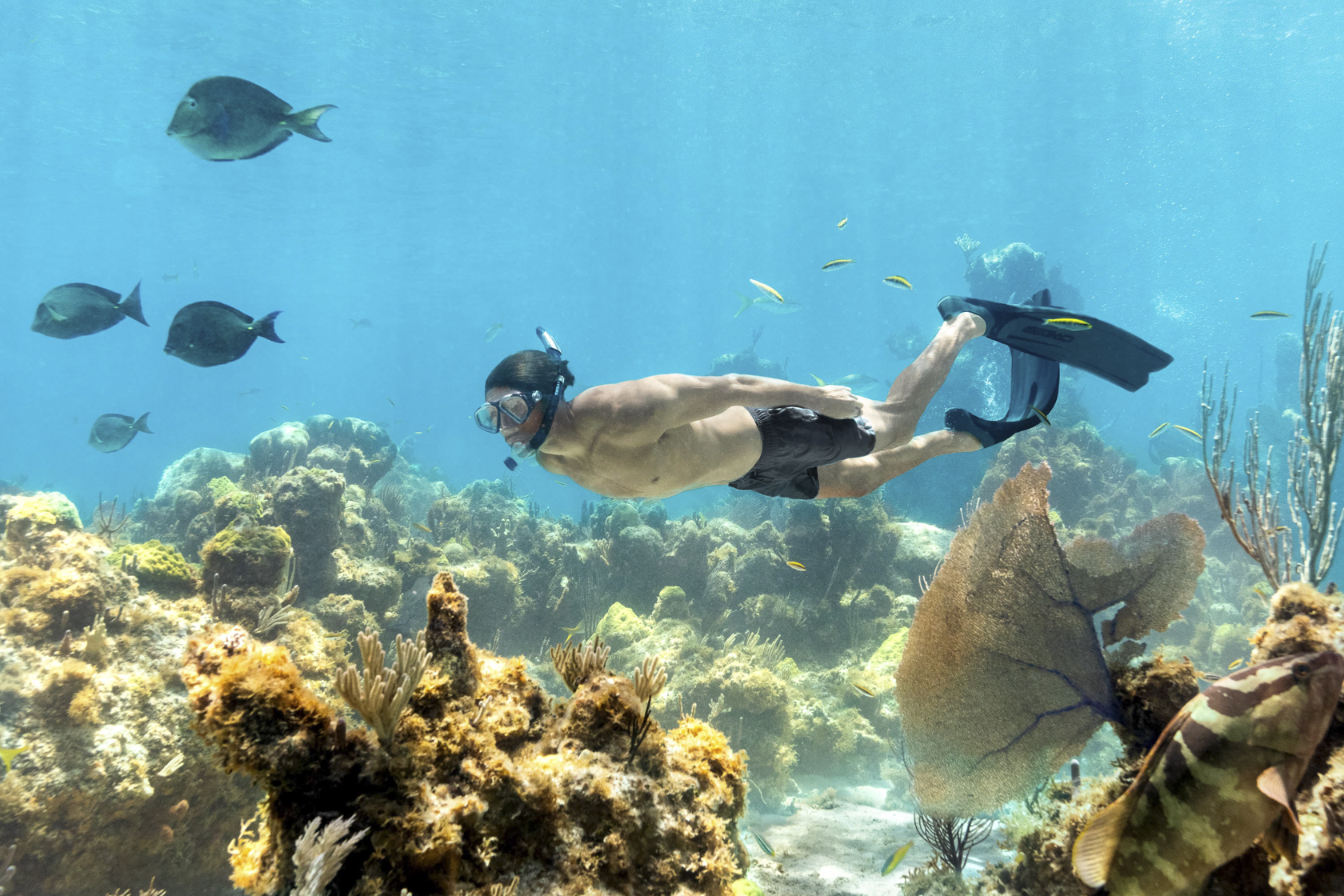
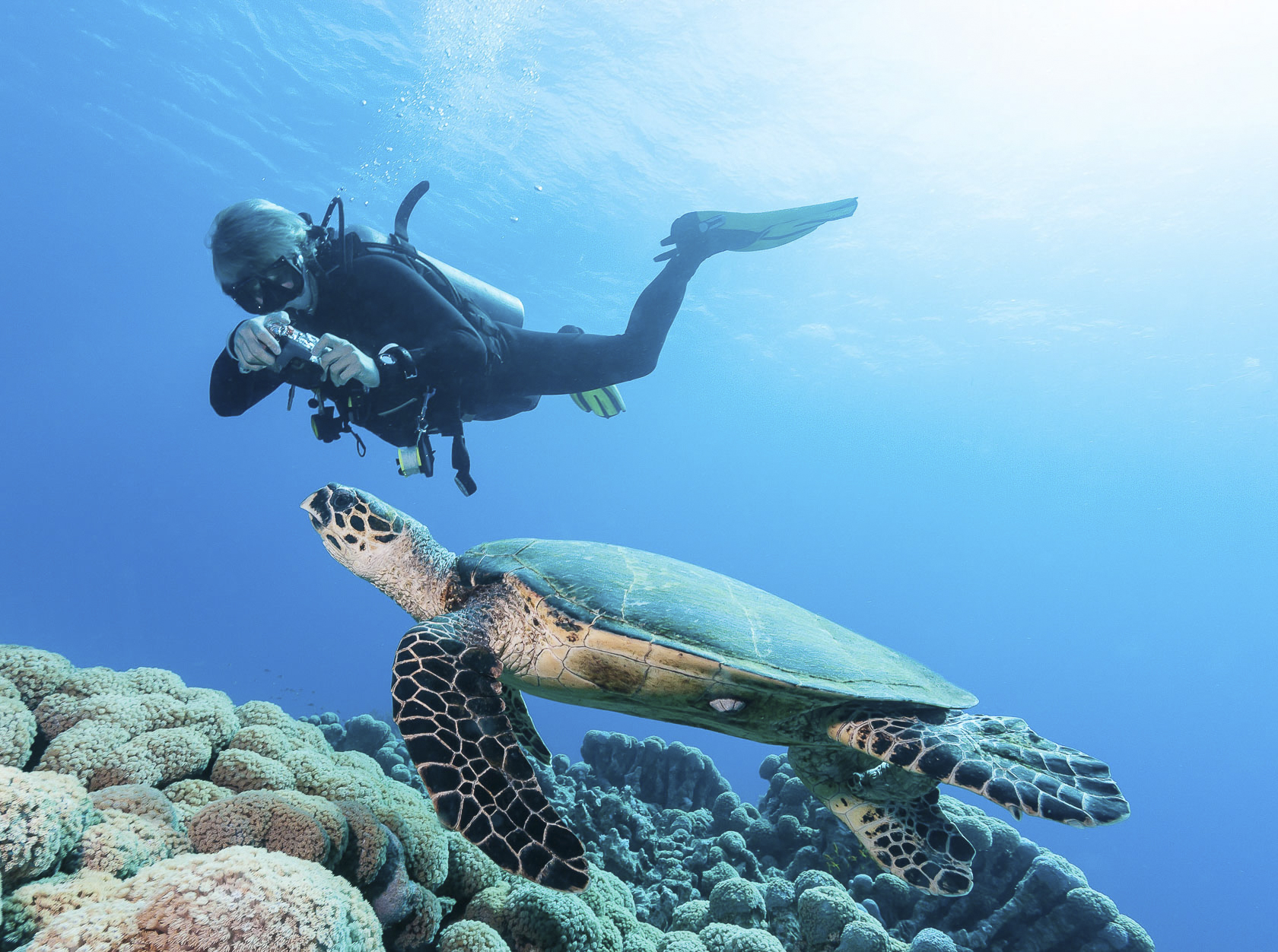
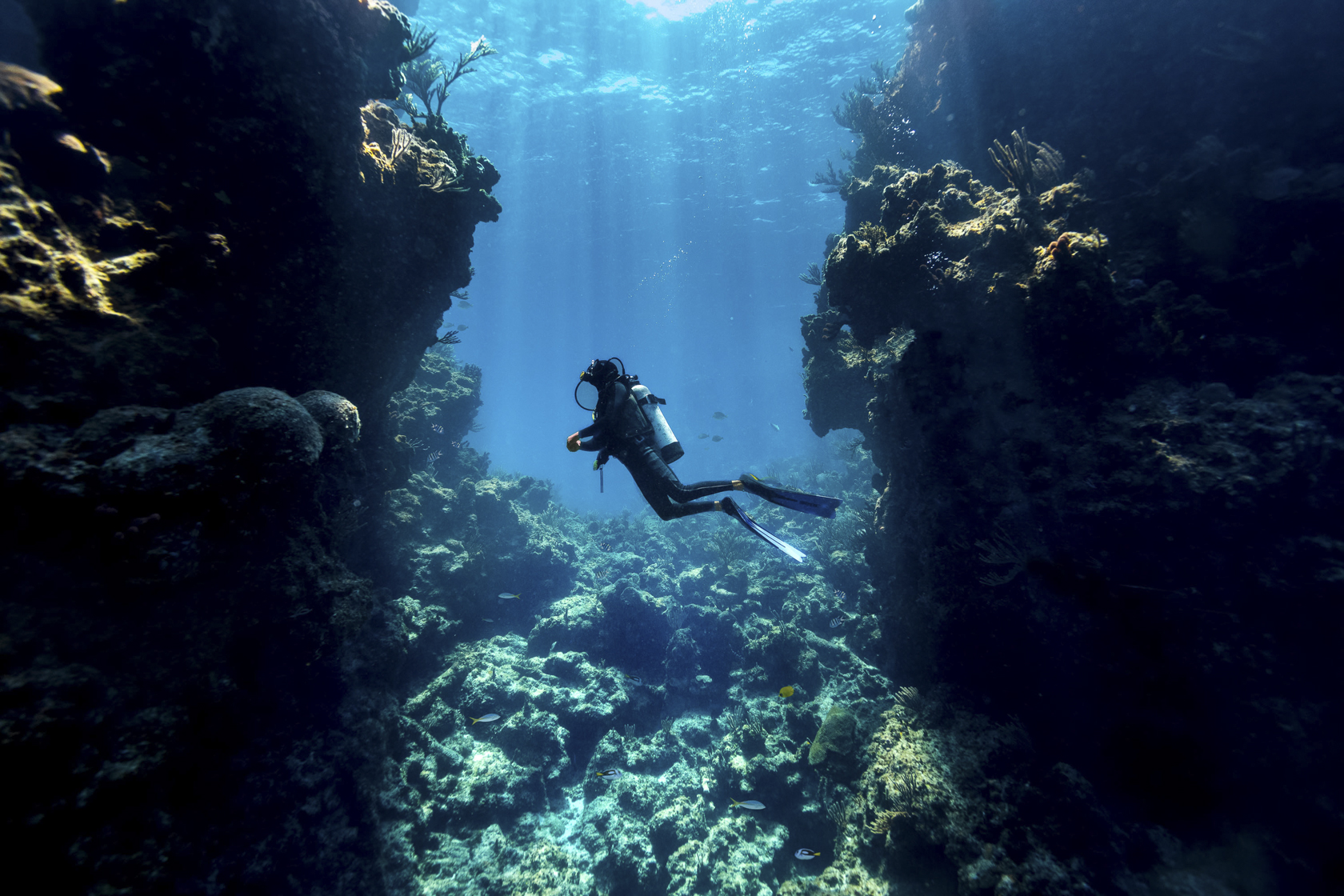
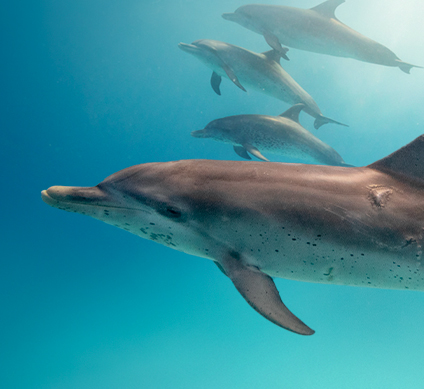
Five miles of white sand beach and the thriving coral reefs that surround it, make Great Guana Cay a popular destination for day trippers, snorkelers, and sea turtles.

Elbow Cay
Elbow Cay
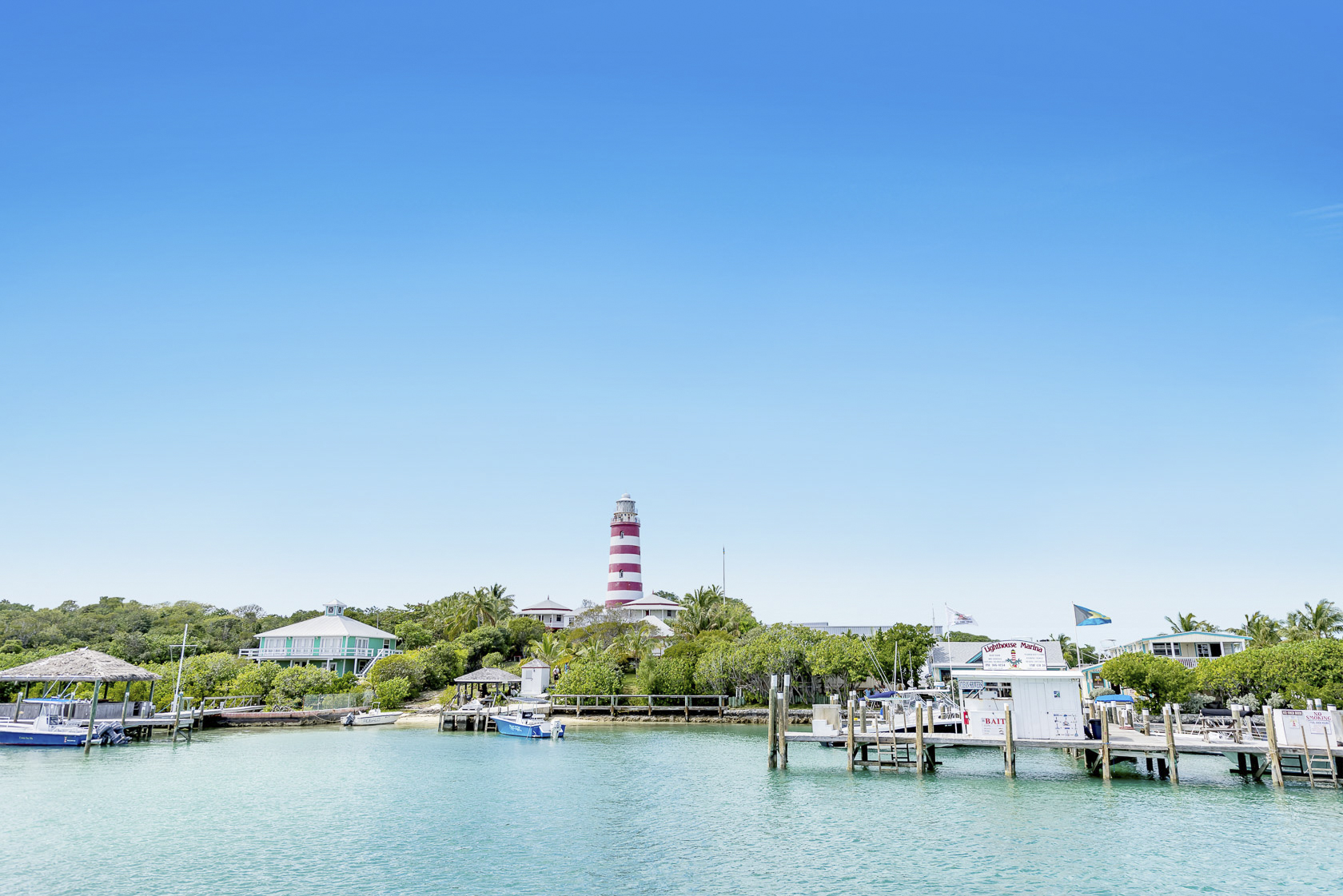
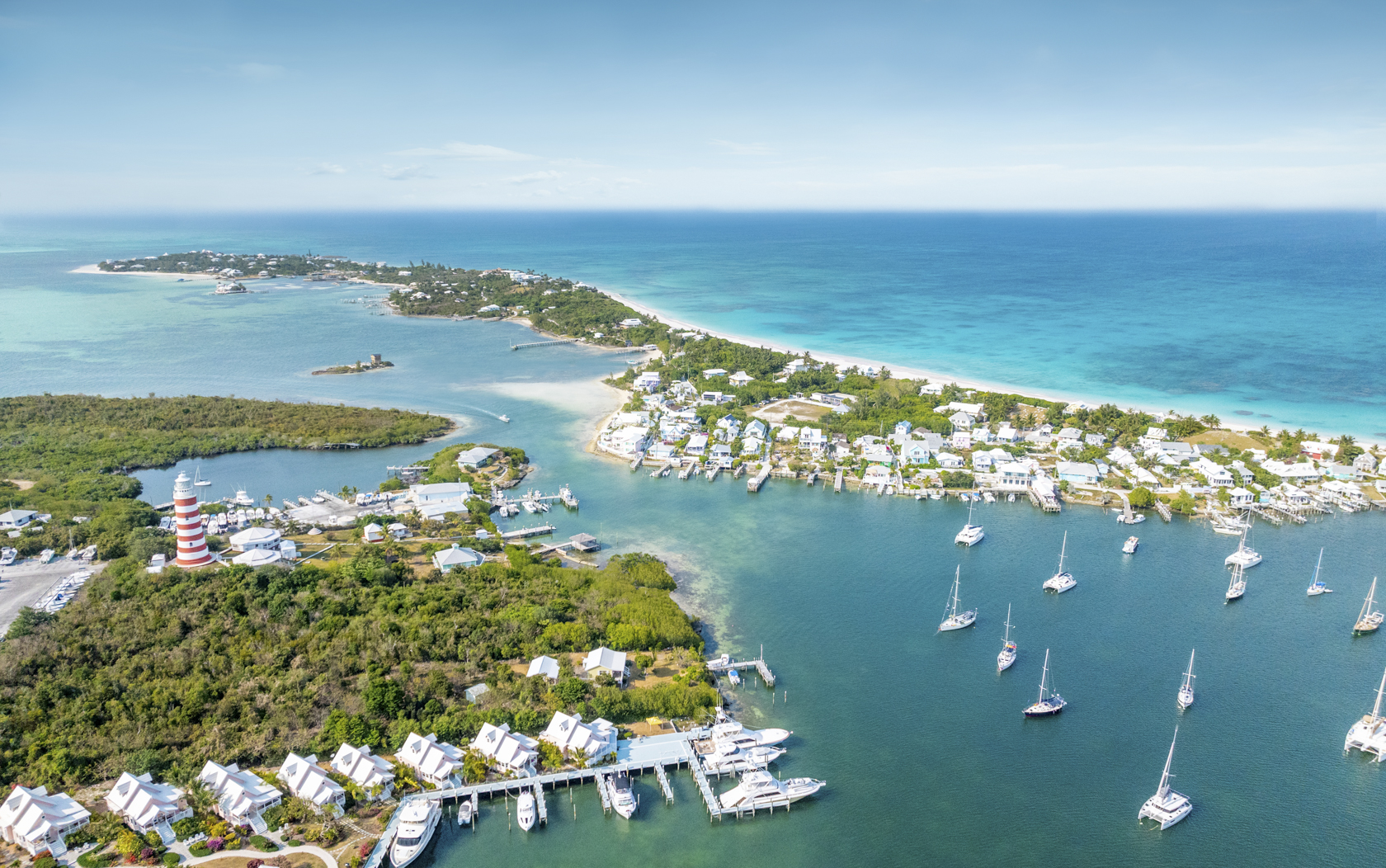
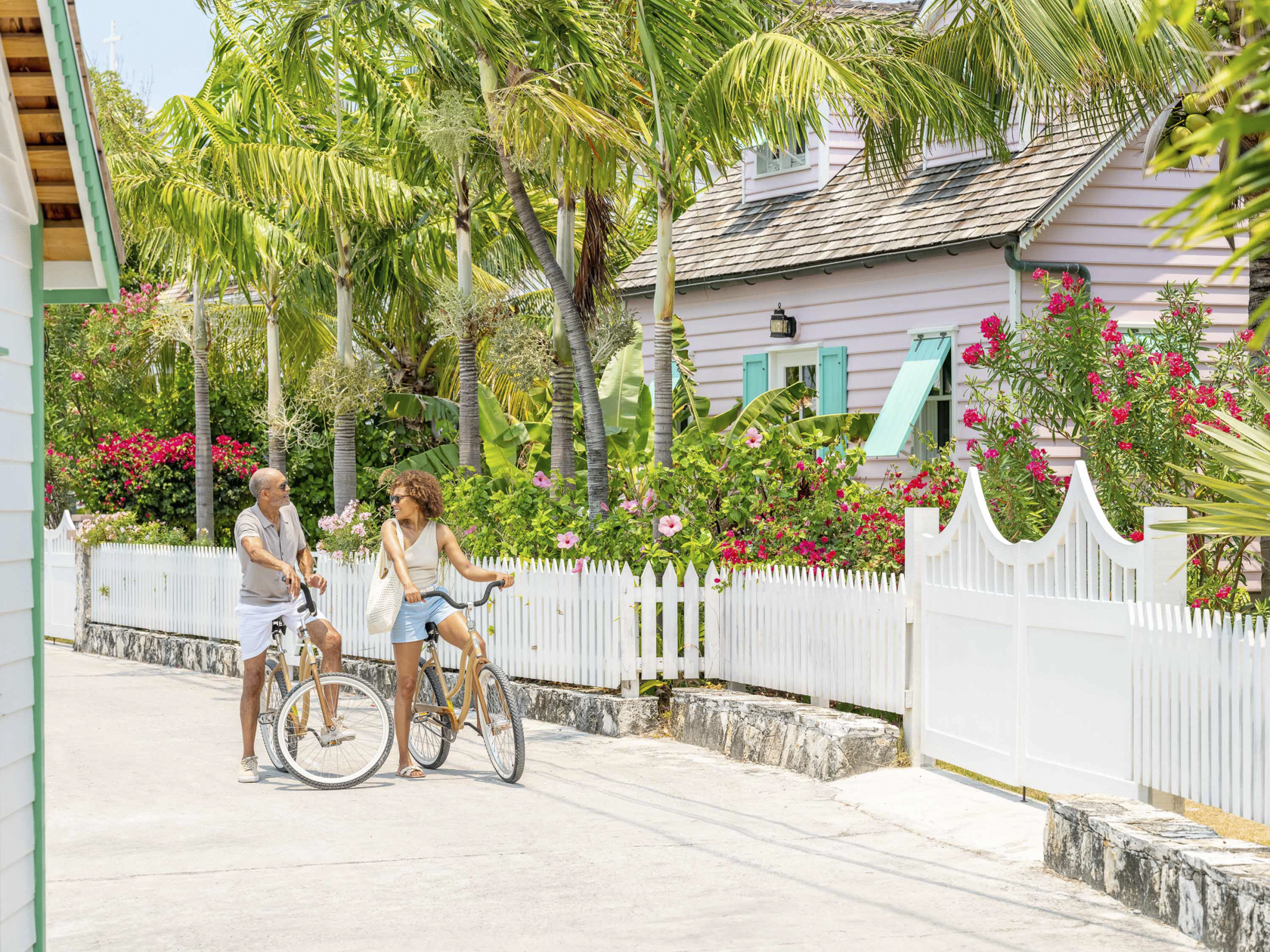
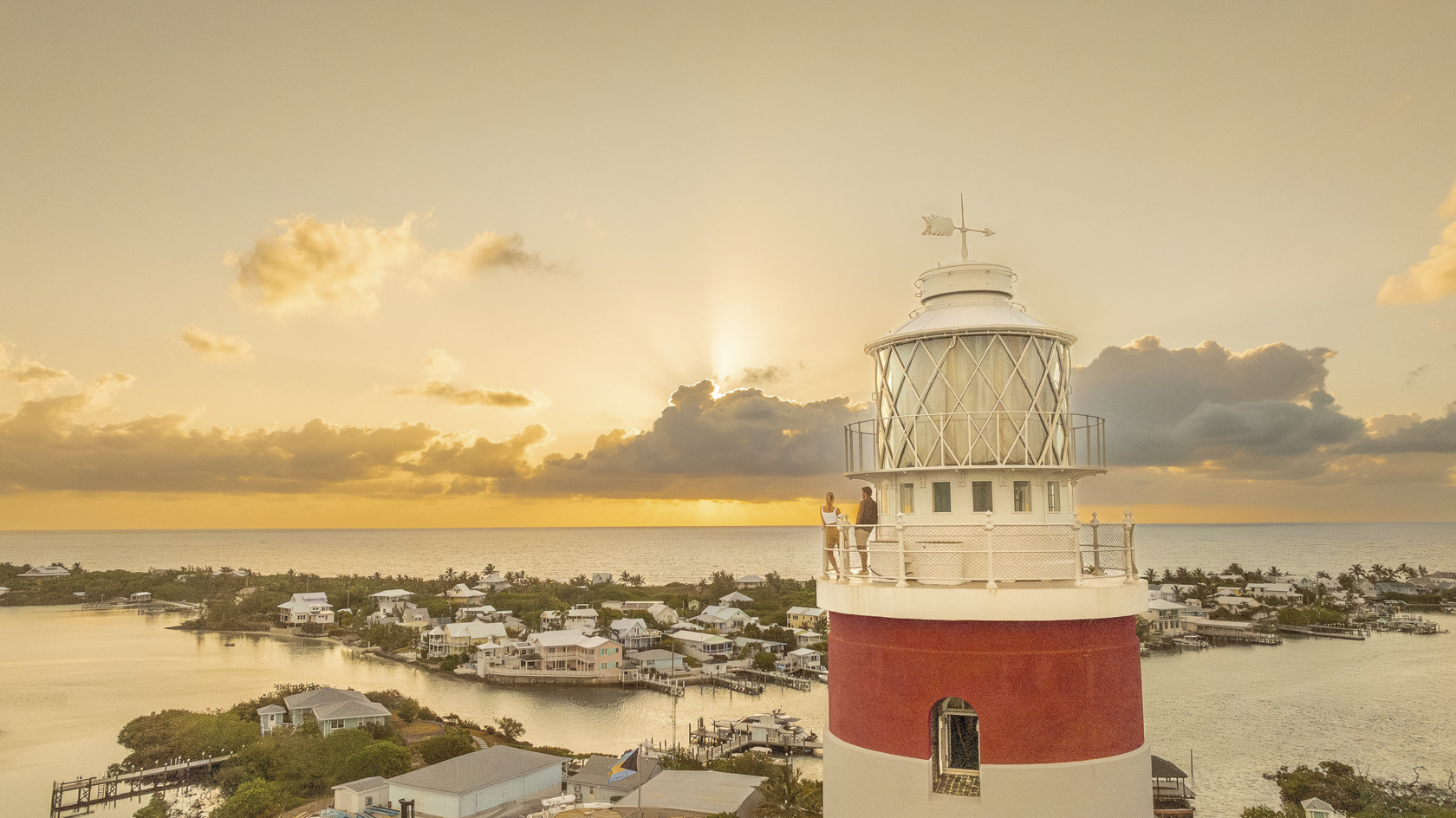
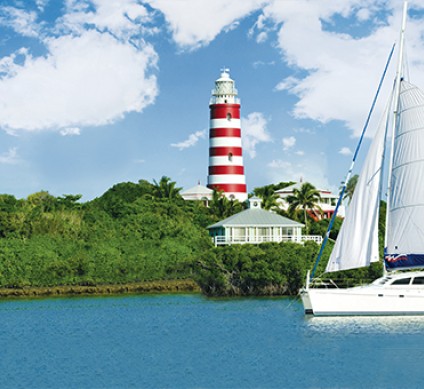
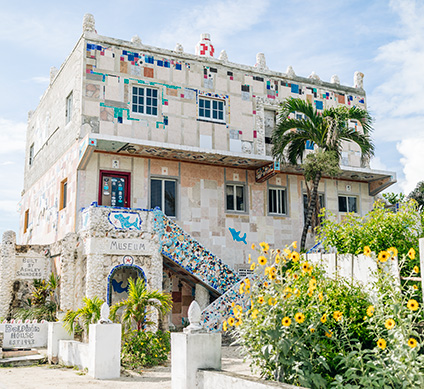
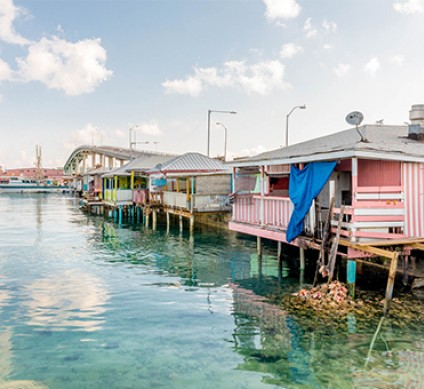
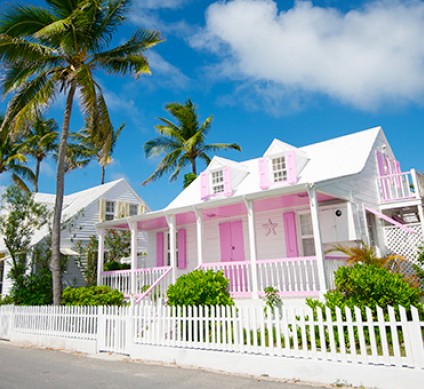
Elbow Cay’s Hope Town is an early British Loyalist settlement dating back to 1785. The town’s colonial architecture has been exceptionally well-preserved. Neighboring Elbow Reef is home to the famous Elbow Reef Lighthouse.

Green Turtle Cay
Green Turtle Cay
Reachable only by boat—private or ferry from the ‘mainland’—Green Turtle Cay’s main settlement, New Plymouth is well-known for its picturesque colonial architecture. The public dock serves as an official Port of Entry.
Learn More
Sandy Point Airport
The Sandy Point Airport serves Sandy Point in the southern end of Great Abaco.
Find Your Way
MHH
Leonard M. Thompson International Airport
Formerly known as Marsh Harbour International Airport, it is one of the busiest international gateways into the country.
Find Your Way
Treasure Cay International Airport
Located in Treasure Cay, in north Great Abaco, Treasure Cay International Airport, welcomes international guests and connects to Marsh Harbour via regional flights.
Find Your Way
Discover Your Next Adventure















The Abacos