




The Height of Escapism
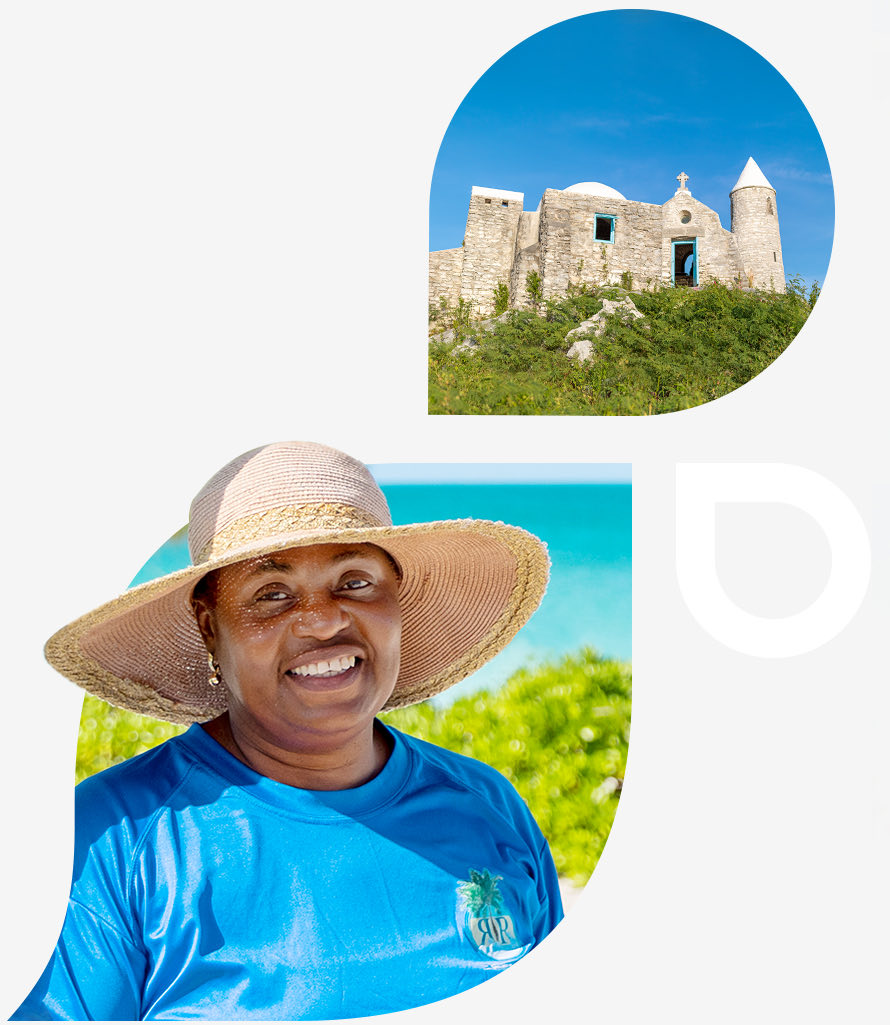
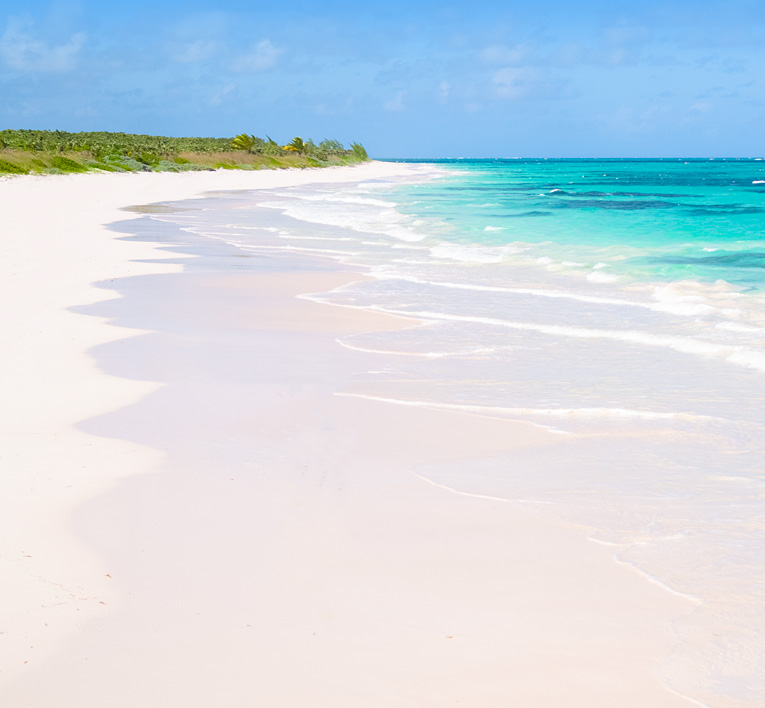
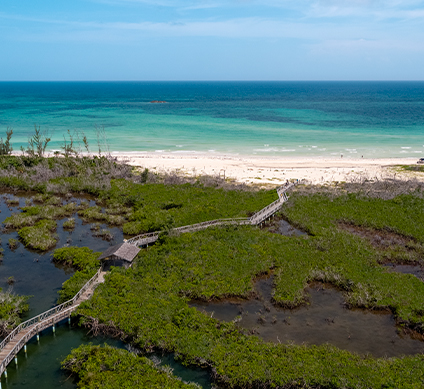
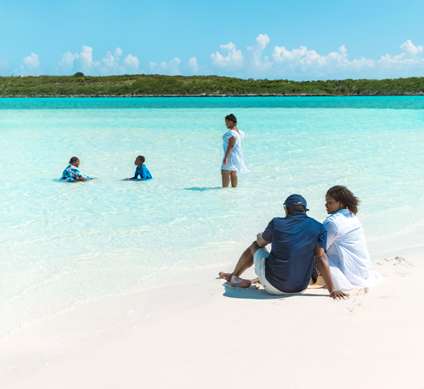
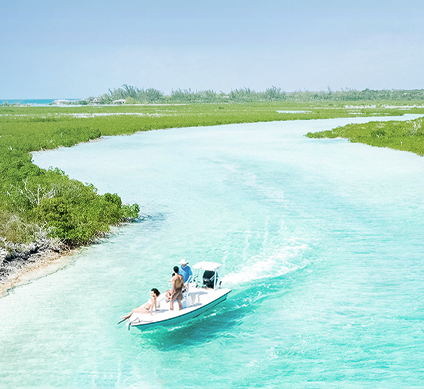
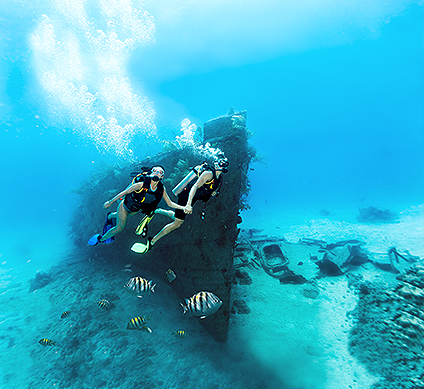
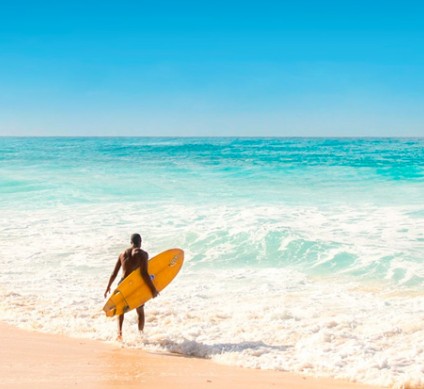
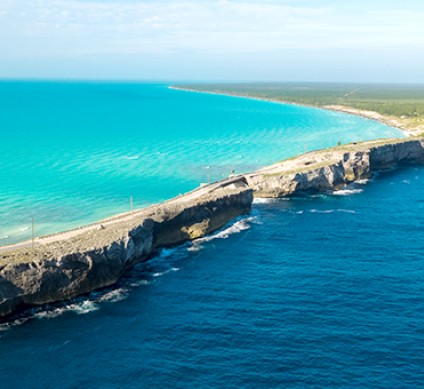
Cat Island is quiet and unassuming, but it has treasures to offer. Anchored by Mt. Alvernia, The Bahamas’ highest point, its untouched landscape is perfect for diving, kiteboarding, and meandering along miles of rolling hills, nature trails, and an eight-mile pink sand beach.
Get Travel Ideas


Island Resorts & Retreats Where to Stay

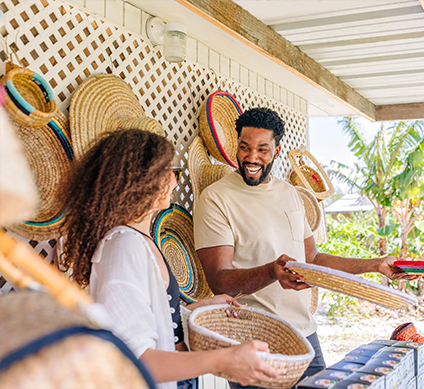
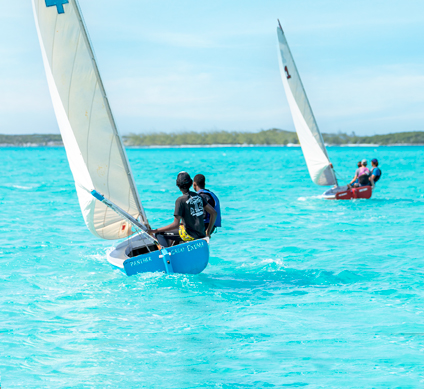
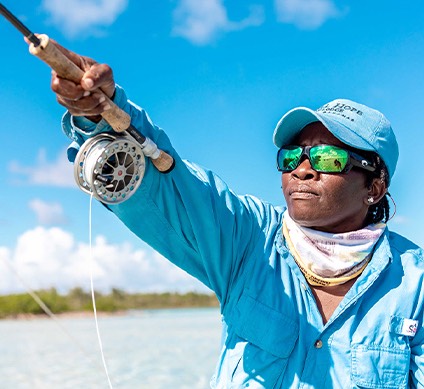
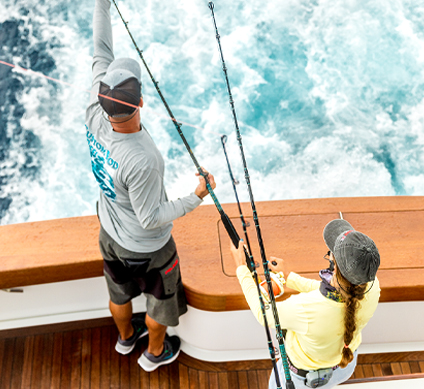
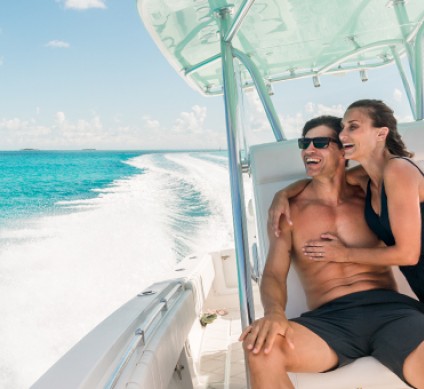
Explore the natural beauty of the island, charter a fishing boat, and unwind at a laid-back beach club or family-owned inn on Cat Island.
View All




Fresh Island Flavours Drinks & Dining

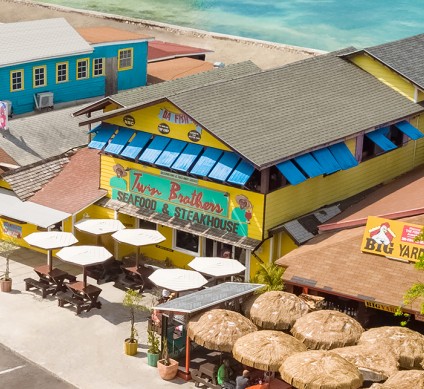
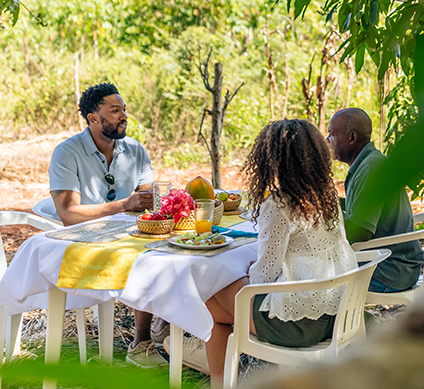
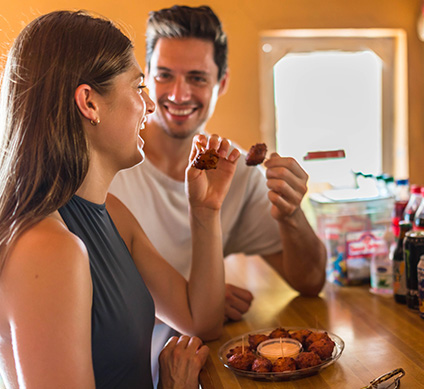
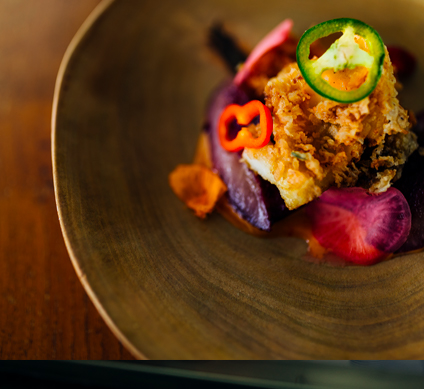
Cat Island’s beach-side bars and restaurants serve up laid back island vibes and fresh seafood. The Fish Fry, at New Bight, is a great place to start.
View AllCat Island
Find Your Way


Mt. Alvernia
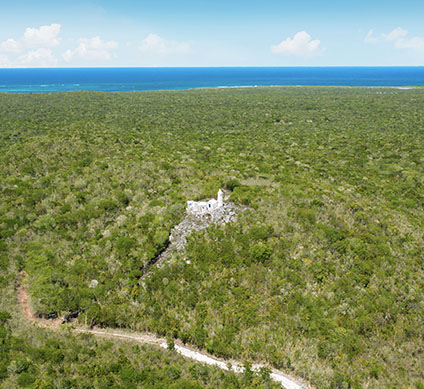
The highest point in The Bahamas measures 206 feet and is located on Cat Island. Known to locals as Como Hill, Mount Alvernia is crowned by The Hermitage, a monastery built by a Roman Catholic priest named Father Jerome in 1939.
Arthur's Town
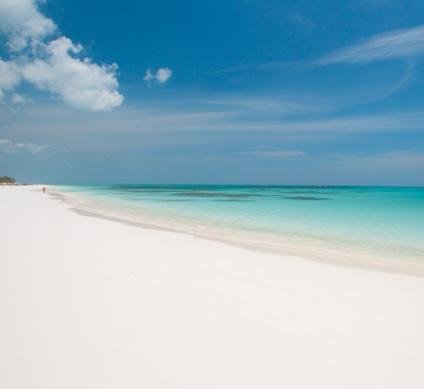
Arthurth's Town is the capital of Cat Island and the birth place of Academy-Award-winning actor and diplomat, Sidney Poitier. The town is served by nearby Arthur's Town Airport.

Arthur's Town Airport
A regional airport, Arthur's Town Airport serves the northern end of Cat Island.
Find Your Way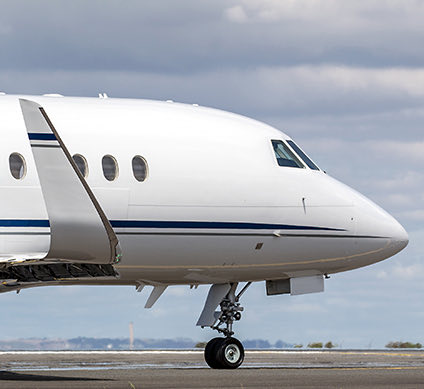
New Bight Airport
Cat Island’s New Bight Airport, located near Mt. Alvernia, welcomes international travellers with Customs and Immigration services.
Find Your Way
Discover Your Next Adventure













Cat Island


