





The Birdwatching Capital of The Bahamas
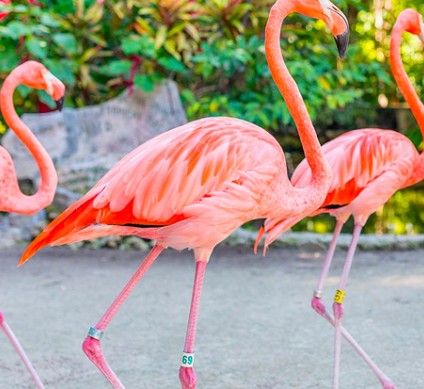
Inagua—pristine and largely uninhabited, the southernmost island in The Bahamas. A paradise for bird watchers and ecotourists. Home to over 80,000 flamingos and 140 species of native and migratory birds, thanks to three National Parks.
Get Travel Ideas
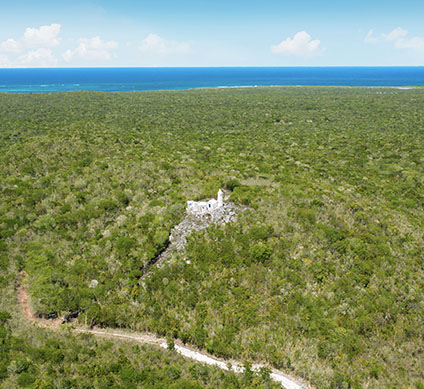
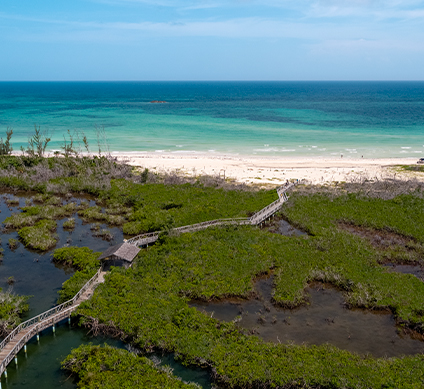
Great Inagua and Little Inagua both remain raw and untouched, made up of mostly protected National Parks.
Where to Stay Island Resorts & Retreats

The eco-friendly accommodations of Inagua are ideal for anyone flocking to this island paradise in search of flamingos, Bahamian parrots, and pelicans.
View All


Fresh Island Flavours Drinks & Dining

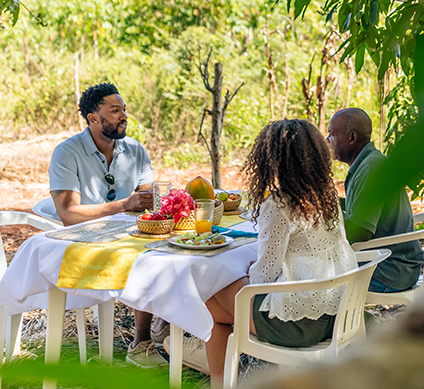
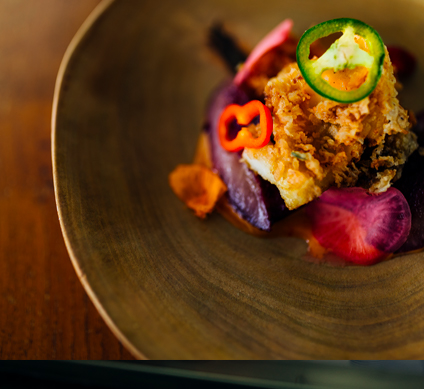
Home of Seafood Fest and the Inagua Heritage & Salty Festival, the island boasts big flavours. Try a local twist on jerk pork, cracked conch, and vegetarian dishes.
View AllInagua Island
Find Your Way


Great Inagua
The third largest island in The Bahamas, Great Inagua stretches 20 miles long with the Inagua National Park almost half of the entire island. The Park is home to over 80,000 West Indian Flamingos.

Little Inagua
Naturally astonishing and remote, Little Inagua is the largest uninhabited cay in the Caribbean and a protected habitat for endangered sea turtles, accessible only by boat.

Inagua International Airport
Located in Inagua’s Matthew Town, Inagua International Airport services domestic routes to Nassau and Mayaguana.
Find Your Way
Discover Your Next Adventure















Inagua


